
Jared Gibson: Turning Expertise into a Visible Personal Brand with AI and Video
Most solo and small firm attorneys have real expertise but an invisible online presence — a quiet website and a stale LinkedIn profile that hasn't been touched since the bar exam. This episode with Jared Gibson of Outworks breaks down how a "content operating system" turns an attorney's existing knowledge into consistent, authority-building content, so their online presence finally matches the expertise they actually have.
In this episode
- Personal branding and content marketing for attorneys
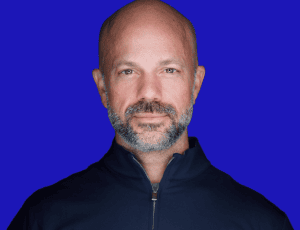
Jared Gibson
Jared Gibson is the co-founder of Outworks, a company that helps B2B CEOs, founders, and executives build personal brands and drive leads on LinkedIn. He began his career in traditional B2B sales roles before transitioning into entrepreneurship, eventually pivoting Outworks from an initial focus on email lead generation to a dedicated LinkedIn content and relationship-building agency. Jared is an advocate for "operator thinking," authentic networking, and leveraging video to capture a leader's genuine voice. He focuses on building scalable content operating systems that help time-starved executives maintain consistent digital visibility without sacrificing their unique personalities to generic AI tools.
Visit Outworks →The part of practice they didn’t teach in law school.
If this conversation hit home, this is where Amata can help.
Marketing Lab →▶ Read the full transcript
Voiceover: Ron, welcome to the 1958 Lawyer, the show for attorneys who know the old model isn’t working anymore. The billable hour, the 12 hour day, the expensive office no one visits. Your host, Ron and Rebecca Bockstahler, are here to question all of that and more by exploring smarter, healthier, more flexible ways to run a law firm. No more burnout, no more outdated expectations, just real conversations with attorneys who are proving there’s a better way. If you’re ready to build a law firm that’s profitable and livable, you’re in the right place. Now, here are your hosts, Ron and Rebecca.
Ron Bockstahler: Welcome to the 1958 lawyer, the podcast about the business of law. I’m your host, Ron Bockstahler, and joined by my co-host, RB. Here’s the number we’re sitting with: nearly six in 10 legal clients ask someone they trust for a referral, but almost as many go searching entirely on their own. Either way, before they ever call you, they look you up, and for most solo attorneys, what they find is a quiet website and a LinkedIn profile that hasn’t been touched since the bar exam. The expertise is real, it’s just invisible. Our guest today has built a company around fixing exactly that. Jared Gibson is the co-founder of Outworks, and what they build is what they call a content operating system, a system that takes the expertise already in a leader’s head and turns it into consistent content that builds authority and trust without the leader becoming a full-time marketer. Jared comes out of sales and marketing leadership, where he helped companies scale by sharpening go-to market strategy. And full disclosure, I’ve known Jared for years, and his team at Outworks runs my own LinkedIn presence. So today, you’ll hear me asking about a process I’ve experienced from the client side. Jared, welcome to the show,
Jared Gibson: Ron. Thank you for having me. Appreciate it. And RB, nice to nice to connect with you
Rebecca Bockstahler: as
Ron Bockstahler: well. Let’s kind of jump right in. Why did you guys start Outworks?
Jared Gibson: We were all jobless and bored. Now I’m just kidding. We started it like there was a what we originally started with, and I think a lot of companies that any entrepreneur has probably gone through this. What you started at isn’t ultimately what you end at. So, what we started with was something very different, and it was honestly lead gen, but we hated doing it. We knew we wanted to do something to help, mostly founders at the time, and since then we’ve gone up market, but it was around, like, how do they generate more conversations, and then we started to jump into LinkedIn and notice an opportunity there by growing our clients’ LinkedIn networks, and then our clients were not creating any content, and we’re like, hey, you’re inviting people into this house, and there’s nothing inside for them to sit on and entertain themselves with, so they kept asking us, like, “Hey, can you help us come with content? Can you help us? And eventually we said yes. And this was before Chat GPT came out, so eventually we said yes. And we’re like, “Okay, maybe there’s something here. We started to build out content for our clients, and then steroids kicked in, which was, you know, Chat GPT and AI came out, and we’re like, rather than run from this, let’s use this to our advantage, but not in a way that is, you know, copy and paste stupid stuff into LinkedIn, or the into ChatGPT, and have it kick out, whatever, and put it in. We started building this operating system around, we’re using Claude now for the back end around it, and it’s not simply just saying, hey, we create a bunch of content for you. It’s like, hey, let’s like, there’s something to video. Like, video is authentic, you got to get on video. So we started doing these monthly interviews, and it really took off for us, probably about two years ago. And we’ve been doing it ever since, and continuing to iterate on top of it, and just build it into kind of what it is today.
Ron Bockstahler: Okay.
Rebecca Bockstahler: Okay, so let’s make this concrete. An executive or an attorney signs on without works. Walk us through what those first 30 days looks like, what happens, and what do you need from them?
Jared Gibson: Yeah, so first 30 days, we jump on a strategy call to start every engagement. Like, there’s got to be something in place, like a foundation that we can build on. We just don’t want to throw stuff at the wall and hope that something sticks, so we sit down and it’s more or less a data dump. We want to know everything about our clients, so we may be working with executive teams, whereas the CEO, the COO, and the CTO, each one of them has their own individual onboarding calls, because they’re each individual people, they each have their own expertise, their own voice, their own personality, so that’s kind of how we treat that, but it’s a day to dump. Tell us about, you know, your story, where you started your business, your ICP, who you’re going after, what your goals are, and then from there we build out the foundation of the pillars. So it’s, it usually comes down to domain expertise. So what does your company do? How do you help solve problems that your clients have? It comes down to thought leadership, so having a point of view, which I think is very important. I don’t think enough people have that, or they’re too scared to put that out there today. So, what is your opinion on this thing that’s going on in your space right now? Let’s put that. Out right, it is your journey. How did you get from where you were to where you are today, and all the good, the bad, and honestly the ugly stuff. Let’s talk about that. Let’s, because that’s part of who you are, and that’s going to help a lot of people that are coming up from behind you avoid some of the potential landmines that you stepped on, right. And then every once in a while, we’ll throw in a passion content. What are we doing outside of work? For example, I coach my kids’ little league team, so every once a while I’ll throw out a baseball post, right? But we have to establish what that strategy is. From there, we do a profile audit on LinkedIn. All of our clients, we want to make sure that they are up to up to snuff, like if you go to a lot of profiles, it’s not great, right? The banner image, which is prime real estate, is a city skyline. So, we want to make sure that we’re talking about what you do in the banner image, the subject line, the profile picture, all that stuff. It, it, people are coming to your page to identify how you can help solve a problem that they have. You got about three seconds to show them that, and if not, they’re gone. So, how do we do that? So we do a LinkedIn profile, then we schedule the first interview, right? The interview, and this is all within, I would say, a week, week and a half. We schedule that first interview, where we will send them over questions ahead of time, and a lot of those questions have been worked on from a strategy standpoint. We’re working with the, you know, we’re brought in by the head of growth or marketing to work with the CEO or their leadership team, so we want to know what’s coming up down the pipe, like so and so speaking at a conference, or there is a product release coming out next month, like we want to make sure that we’re in front of anything else that’s going on 3060 90 days, and then we also are building out, we have built out agents that are pulling from relevant industry publications, Reddit threads, YouTube videos. Clients are giving us access to their sales calls, their internal team calls, so everything that we’re talking about is top of mind, not surface level. Going on today within the business, this is all built in that first 30 days, everything that I’m talking about here on our back end, we build an AI brain for each of our clients, which has their voice, their likes, their dislikes, their tone, everything about them, so that if they’re sitting across from a friend at a bar or whatever, and their friend says, I know you didn’t write this post, and we’re not doing our job right, they have to, it has to come off as them. So we do all that, and then we schedule that first interview, and then we’re off to the races, creating the content.
Ron Bockstahler: Let’s talk about that, because I sit on a call with Jody Doug. We do an interview 3045 minutes, somewhere in that range. You guys take that and you make magic for the content for the rest of the month, kind of pull back the curtain, you know, without telling on my great secrets, and how brilliant I am. Talk about what goes on at, like, between that interview and then the rest of the month. Can you get details there?
Jared Gibson: Yeah, so the goal is to, we want content back into our clients’ hands within a week of that interview. So, within a week, we use Notion as our project management system, so once that interview is complete, it’s super casual. Interview Ron can say, like, we’re not trying to script anything, you’ll see the questions ahead of time, but we want to keep it very conversational, like you’re on a podcast, and we then take that raw footage and it sends it over to our team. Now, there’s a pecking order. We have video editors, designers, copy editors. There’s a pecking order to who gets what first, like right video is going to be the first play. So video editors get first crack at saying, “Hey, Ron had a really good talking point at this mark that’s about 45 seconds. We’re going to call dibs on that. We want this, this, and this, so the video team gets their preference first. From there, Ron may have spent five minutes talking about a detailed breakdown of a process that he’s running with his company, right, with Amata. From so that’s five minutes. We’re not going to create a five minute video for LinkedIn specifically. Now, if we’re working with YouTube, that’s a whole different story, which we’re jumping into, and we work with a lot of our clients on as well, but for that, we may just create a carousel, like, okay, here is a carousel that Ron talked about, like the different steps of this, and then you know we may do an infographic, or there just may be a text-based post, or if Ron talks about an experience that he had, we’ll get a picture from,
Ron Bockstahler: let’s, let’s stop real quick, and I want you to tell the listeners the difference between a YouTube video and a LinkedIn short, like a reel or LinkedIn or social media, right? What’s the difference, and how do you guys.. yeah, just.. what’s the difference? Lay it out. Yeah, so
Jared Gibson: there’s a whole.. so we’re talking about mostly LinkedIn right now, but there’s a whole separate strategy that has to go into other channels, so it may be X, it may be YouTube, for example. We have clients that we’re working with that come to us and they say, “Hey, we’re, we want to do a YouTube series, you know, six month series, whatever it is, where our. CEO is interviewing subject matter experts on our team, and what we’re going to do is we’re going to send you guys over the raw 30 minute or 60 minute video, and we need you – we’re going to do this bi weekly – we need you to trim that down to a 10 minute video, where it’s interactive, where you got graphics and everything to keep the viewers’ attention, so that’s a 10 minute video that’s going to go up on our YouTube page, and then from there, though, we want to create maybe five or six short little 30 to 92nd clips out of it that our team can push out to their socials, and that’s going to sit in the short channel, right? So you’re starting this YouTube series, which is very different than what you’re doing on LinkedIn now, you could take the short 30 to 92nd clips that we’re creating in on LinkedIn and just reformat those for for YouTube, and just have a shorts channel, but if you’re going to do it right, like the idea there is to have more of the long form video content over on YouTube and mixing in the shorts, which are all are going to get eyeballs as well, and views,
Ron Bockstahler: right
Jared Gibson: there, so separate strategies, but it’s something that you know we’ve stepped away for a little bit from just purely doing the LinkedIn play, and now we’re doing, you know, all social, we’re doing blogs, newsletters, sub stacks, all that fun stuff. So think, think content, and then that’s kind of where we want to be at the top of the list.
Rebecca Bockstahler: Yeah, that’s interesting. Well, there’s a line on your website that I want to read back to you. Buyers research people before they research companies.
Ron Bockstahler: Yes,
Rebecca Bockstahler: make that case. Why does an individual’s voice outperform their logo?
Ron Bockstahler: I just kind of zoom in big time there. You see that?
Rebecca Bockstahler: No, we didn’t see it at all. All
Jared Gibson: right, good. So they, I don’t necessarily know if it’s before, but I’ll say this. The buyer journey has changed over the last, let’s call it six seven years. The buyer journey used to be we’re just going to a company’s website, we’re going to do our research there, and that fit right. I’m a big believer in the fact that the pandemic changed that, because the pandemic, and I talk about this a lot, but the pandemic, you started to see into the lives of these executives at home in their element, and it’s a new thing that we hadn’t seen, we hadn’t seen the cooks in the kitchen, and how they were making it, and their personalities, and people gravitated toward that, and you started to see executives and step out from behind the company brand and really start to put themselves out there more on social media, and the younger generations coming up, they are on social media, they are creating video. The average B2B buyer today is 36 years old, I think. So it just naturally made sense that the buyer journey was going to shift, and that’s where now people are not just going to your website, they do want to see who’s at the top of these companies, and if they go to somebody’s LinkedIn profile, or they go to see if there’s a podcast episode or YouTube video, and there’s no digital footprint of these executives, but the competition has a ton. Who do you think is going to have the leg up, right? So you have to be doing this, and I’m a firm believer in the fact that is the responsibility of the CEO of these executives today in the B space, specifically because that’s where we operate to become more visible, to put themselves out there more, no matter how uncomfortable it is. Get out of your comfort zone.
Ron Bockstahler: Well, let’s talk about visibility. Cleo’s latest consumer research found 28% of consumers are directed by an AI tool to contact a lawyer, so AI has kind of stepped up recently. Can you talk to how the content you guys are creating, putting out there for your clients, how, how you’re attracting or getting that content found by AI?
Jared Gibson: Yeah, so a lot of that is, if you think about, I saw the study that LinkedIn is now the number one ranked vehicle for search right now on ChatGPT and other LLMs, so they’re pulling from LinkedIn videos. So, for us, what we want to do is just continue to create content around questions that are being asked. Think about the questions that you type into Google, for example, just go back to the old school way of doing it. Like, are we answering those questions in the content in the specific industry or niche that our clients are in? Like, if we’re not, then we’re not doing our job. But a lot of those questions ultimately come from the same questions, Ron, that you’re being asked by the prospects that are probably searching for you. So, as long as we continue to create the content that’s answering those questions and do it consistently. It’s going to compound and start to show up in the LLM searches. Okay,
Ron Bockstahler: this is going to be, and you’re going to know this, because attorneys are time-starved, right? They just don’t got time to get everything done. They’re like a busy, can’t return a call. I mean, actually, had so I returned an attorney’s call today. He answered the call and said, ‘Ron, can I call you back? I’m like, ‘You can pick up the call. So, anyway, the point is, is I know they’re busy, and what we’re talking about is time consuming. So, how much time, if I am a client, am I have to put into working with you to get my content out there on a monthly basis?
Jared Gibson: Yeah, so we, so we work with you. We have a few lawyers that we’re working with that run firms here in Chicago, and the biggest thing for us is that we started this understanding that they don’t have enough time or resources to do this right. If they did, they would do it on their own, or they would hire somebody full time to do it internally. For us, it is, hey, there’s going to be a little bit more heavy lifting up front to start to build the strategy together, and that first call, which is a 60 minute call, the content that comes out of that, it’s going to be 80 85% of the way there. Once we get through that, though, and we understand, you know, the certain traits of what you want to see, what you don’t want to see, then it’s smooth sailing. We need 60 minutes from you each month look at the questions ahead of time, and then have somebody, if not you, at least approve the content. So, sometimes you know we work with a law firm or lawyer right now that has her assistant taking a look at the content that we send back within Notion, making sure kind of getting first pass at it before she sends it over, and then then the attorney that we work with just once overs it and spends 10 minutes on it, trust her, her admin, and then we’re good to go, and then we post on our client’s behalf, so our clients don’t even have to worry about that component to it as well, so I would say all in, in a month, if you’re spending 90 minutes on it, that’s a, that’s a good month, and that’s think about how much time you would normally be spending on that, right, right,
Rebecca Bockstahler: right, or should be well. What’s the biggest misconception executives or founders walk in with about content like the one thing that you find yourself having to unteach people or unlearn consistently?
Jared Gibson: Polish is the enemy. It does not matter how polish did the polish, don’t polish doesn’t come off as authentic. Polish is just for me. If I’m gonna speak to my experience, if I’m watching somebody on video and I can tell, like, hey, they may have tweaked their messed up a little bit right there, or they tripped over there. Nothing, it’s never going to be perfect, like if you’re waiting for perfect and perfect to polish it’s never going to happen, so that is, I would say, the biggest issue and misconception that people have is that it has to be perfect. It’s never going to be perfect. Just go, just start, like you’re going to learn, you’re going to fail, you’re going to look back on it six months and be like, oh, that was it, looked too great there, but you know what, like that’s all of us, we all start somewhere, and if you just go into it understanding that you know this is never going to be perfect, but this is who you are, then that’s what people are buying, they’re not buying the polish of the perfection of a video that you put out,
Ron Bockstahler: that makes me like the perfect client, imperfect, not polished at all, grade with this stuff. You’re
Rebecca Bockstahler: a natural,
Jared Gibson: natural. Yeah, absolutely.
Ron Bockstahler: Let’s see, get back to mid 2026 What are you seeing today? Like, what’s the marketing strategy right now that people need to be focusing on? What’s actually moving the needle for professionals today.
Jared Gibson: Yeah, I mean, so what we’re doing. I always tell people this: what we’re doing is a tactic is part of the overall strategy, right? We have our lane that we play in, which is executive content, right? And we also help with company content. It’s not just executive, but that’s the premise of what we’re doing. There are so many other areas that you know you need to bring in either a partner or run internally that can help out, whether that’s SEO, whether that’s ads, running ads, whatever that is. For us, the lane that we play in show up everywhere that your buyers are, that is it. Like right now, I think that most of us, Jot Ron, especially in your space, you have a very reactive industry that you work, the buyers are very reactive versus being proactive, right. So, how do you make sure having a group of reactive buyers that you are going to be at the top of the list when that problem or that issue comes up? Right, it’s by consistently staying in front of that person, it’s not just sending out emails, it’s not, you know, I mean, granted, you got billboards, I’m speaking to the industry famous for billboards, right, but, but if you’re creating consistent content that tells the story of things that are going on in your world and how you’re helping people within, you know, the vertical that you solve for solve these problems, and you’re consistently staying on top of people. Eventually, when they do need you, they’re going to remember you, and you’re going to be at the top of the list. So, I would say consistency is the key, and just creating that content, be yourself, and making sure that you are top of mind, and earning the right to be at the top of that list.
Ron Bockstahler: You just hit it nail on the head, right. It’s, it’s your, you, the attorney goes out there, and I’m going to post four blogs this month, and think I’m going to get good activity, but it’s not the four blogs you do this month, it’s every month being consistent, always being out there, and I think the greatest thing that I find from working with Outworks and your team is the. You force me to be consistent, like, like clockwork, right? I hear from Kelly, I heard from him yesterday. Hey, your interview is coming up. Want to make sure we got everything rolling up. If I didn’t have someone coaching me, like basically, because you guys coach me to make sure that I’m ready to go every month, so that’s consistency, and that is what drives the needle in my mind.
Jared Gibson: Yeah, I’ll give you another example. There, so Ron, you know, my wife, Amy, who is an attorney, she’s been now consistently posting for about a year. Not our client would have been, didn’t, didn’t want her to be
Ron Bockstahler: just able to be interesting. Yeah,
Jared Gibson: but she’s got somebody internally with her firm that she uses, and the one thing that I will give her credit for, which a lot of people go into this worried about, is that she never cared about engagement or impressions, anything like that. She was never like only got two likes on this post or anything like that, but the thing that she was always paying attention to is how many people were telling her offline that they were consistently seeing her content, how many people refer, how many other lawyers referred her business from a post that she had that those lawyers did not like or comment on ever. She’s gotten clients from her, she got an immediate client, I think, right when she first started, because of something that she posted around ice or something, something like that, but she consistently hears from other lawyers that they see her content, so she’s always top of mind, and she’s gotten so many referrals from just the content that she’s put out, because people see her all the time on LinkedIn, and they’re on LinkedIn all the time. Well,
Ron Bockstahler: that’s, I mean, a great, not unfortunately not your client, but that’s the story, right? That’s the where it starts. If you’re just consistently doing stuff, you’re top of mind when they need you,
Rebecca Bockstahler: right? Exactly. That is interesting, though, because we have teenagers in our house who will look at our, like, at a modest stuff, and be like, ‘Dad, you’re not getting any likes. And so now it’s good to know that we can tell the teenagers that it’s okay that we’ll be just fine without those.
Jared Gibson: They love teenagers, love the dopamine hit, like, right? That’s that’s all that everybody just wants, that dopamine hit, and the younger that you are, the more you need verification for what you’re doing is cool, and people are down with it, whatever that is, right? But now it’s people that like on LinkedIn, especially people that are liking and commenting on your content, are never going to be your buyers. It’s just the people that are actually seeing the content
Rebecca Bockstahler: that’s interesting.
Ron Bockstahler: Good point.
Rebecca Bockstahler: Well, Amy wasn’t your client, but can you give us a before and after, no client name needed, of somebody who was invisible when they came to you, and what changed, and what it did for their business working with you?
Jared Gibson: Yeah, Ron, nobody knew who the hell Ron was before he came out, that the truth, you know, everybody comes to us at a different point in their journey, we’ve had clients. We have clients now that have 10s of 1000s of followers on social media, and they already have good content that they were putting out. They just needed somebody to take over because there was too many things that they had going on, and they didn’t want their internal marketing or growth teams focusing solely on that, so we, in essence, just took the reins from whoever was doing it before, internally, or in some cases, it was the CEO, and just made the content better, gave them more variety, gave them different ideas. An outsider coming in to that situation based on something that they’ve been doing, it’s just a different set of eyes around a strategy component that we could potentially help with, because we’ve seen it and helped other clients with it, so that is one end of the spectrum, versus the other side, where somebody’s very uncomfortable doing it, and they only have, let’s say, 1000 connections on LinkedIn, and they’re not posting a lot of content, and it’s only around reposting company content, which is kind of where most people are today. It’s like, hey, my company page is checking this box by talking about how great we are. Me, as a CEO, I’m active on LinkedIn because I’m reposting that, and it’s like, no, that’s that, that doesn’t count, right? However, helping them step outside their comfort zone and helping them crawl, walk, and run, because not everybody’s ready to be on video, not everybody’s ready to post on social media, but they know that they have to, they know that it’s important for them and their role to do that. So, for us, it’s helping them get comfortable doing it, going through the reps, and then after time, they start to view it as kind of a, I’m comfortable doing this now, it’s more of a habit, and I’m hearing a lot of people that are telling me, like, hey, your content is good, which is giving me more confidence, right? When people are telling me that, so it’s a lot of false narratives that they tend to create at the beginning of this that aren’t necessarily true. People aren’t judging you, people aren’t disagreeing with you, like nobody hates you because you’re posting content on social media, and then. Then eventually they start to see the conversations happen that are directly correlated to the content that they’re creating, so
Ron Bockstahler: it’s funny. I mean, I remember many, many years ago thinking no one wants to hear from me all the time,
Jared Gibson: like everybody wants to hear from me.
Ron Bockstahler: I got something to say. We only got a couple minutes left, but I want to go back just a little bit to the AI conversation you guys talk on your website, which I actually went and read AI powered content operating system, and then two scrolls later you warn ChatGPT ghost writing doesn’t work because audience can tell you know what’s the, what’s the right mix here? Yeah,
Jared Gibson: so I actually did a podcast. I have a, I have two podcasts. One of them was, yeah, we did yesterday on AI, AI slop, AI content is slop, I forget what it was, is BS. Anyway, the premises is that we have to use this tool. This tool that we have today is one of the greatest tools we could ever have. This AI tool, right? But you have to use it responsibly in the right way, and that’s kind of the route that we’re heading down that we are in right now. Where one of my co-founders, Ron, is, you know, Brandon is an engineer, that’s his, like, that’s he’s built companies on being a developer, and he is head down building these AI that this AI back end for us, that is understanding the exact tone and voice and everything about like what is not AI slop, and building that into the system that we’re building out now. You’ve got people, and we use, we’re interviewing our clients, we’re getting them on video talking through this stuff, so it’s not – we’re not typing into ChatGPT and saying, ‘Hey, I need an idea on a post. Okay, that’s a good idea. Can you write me a LinkedIn post? Awesome. Copy, paste, boom, out. That is AI slop. Like, that’s not an original thought. That’s not your original idea, right? Right? Like, even for me, I speak my posts into Claude, into my clog. I train clod. It’s got a back end. I’m the hours kid a little bit with our system, where I don’t use it, which I should, but I speak it in. It’s got my tone, it’s got my voice, it knows what I like, it knows what I don’t like. It’s my little AI brain that I built out. I speak it in, and then I have it clean it up, like that’s it. I’m not a writer, right, but the content that I put out is still my original voice, so I just think that there’s that fine line of understanding, like, are you actually putting effort into this, or are you just telling ChatGPT to create a post for you, and then just thinking that that’s good to go, and then putting it up. Great, good point.
Rebecca Bockstahler: It is well for the attorney who’s listening, who’s about to go out on their own? They don’t have a firm yet, they don’t have an audience. What are the first two or three marketing moves that you tell them to put into place before the doors are even open?
Jared Gibson: So I’m going to take, I’m going to take this, maybe in a different direction.
Ron Bockstahler: Sure,
Jared Gibson: and the I don’t want to assume that they’ve already got a significant network built, but as I’m going to speak to this as an entrepreneur, and then I’ll jump into the marketing side. I would not be where I am if I didn’t start building my network early and often, and I think that I don’t know how I could have done that without my network. I don’t know how you can start a business without having a very strong network that you can rely on for leads, for conversations, introductions, all of that stuff. So that is where I would say, is like, if you haven’t built that network out yet, start to build the network like fast and be out and about, meeting as many people as you possibly can from a marketing, then marketing kind of dovetails into that. Where for me it’s like, if you have that expertise, if you’re going out as a lawyer on your own, and you have that specific area, area of practice that you are focused on, start creating content yesterday around it. Like, you have plenty of stories, you’re doing this because you believe in the background and experience that you have, start even if you haven’t announced that you have, or that you’re going out and you’re doing this, whatever that is. Just start creating content, start building up your network with the right people on, let’s say, LinkedIn, and then just put, start putting the content out. You’re going to get better at it, you’re going to start figuring it out over time, and then from there I think that you’ll learn a lot in the content creation process, Ron. You can probably attest to this, like there’s probably things that you’ve said in the interviews or content that you put out, you’re like, “Damn, I never even thought about that, that angle of it. Like, that’s that’s a great idea, Ron. Way to say that.
Ron Bockstahler: Here’s where I’m going to another plug for the interview, because you have a professional interviewer on your staff that will sit and talk to you, and during those interviews, you’ll be just, you start having this great conversation, and sometimes I’ll just have this moment, I’m like, damn, I gotta write that down, that was like really, really good, but it’s recorded, right, so it is going to get written down somewhere, but you know, your interviewer really helps. Bring out some of those things that are, they’re gold, right? They’re like, “Man, this is really great stuff. Could you forget, with all the experience you have, how much you actually know? Like, if you sit there, maybe no writer’s block, right? You know all these things, and you sit down to write, and you can’t think of a damn thing. Yes, and that’s where having someone interview you, and just let’s let it go. You, your mind gets free, you start thinking, and next thing you know, it’s all documented. Great.
Jared Gibson: Yes, yeah, that’s perfect. Jody’s awesome. Jody is great, and she’s really good at understanding where people are coming into it from, like, if they’re experienced and versus where they’re new to this, then she’s really good at that. And the other thing, too, like, if you think about a lot of our clients, speak at events, like their keynotes, you know, they’re on stage a lot, and they’ve told us that this has helped them with their stage presence, like these interviews and putting out this content, so it’s kind of a indirect effect of constantly doing these interviews and putting out this content.
Ron Bockstahler: It’s great stuff. Jared, what do you want to close with? We’re gonna end the show, but you know, you got the last word.
Jared Gibson: Yeah, I would say anybody that is interested in kind of just getting out there and putting themselves out, even if they don’t end up wanting to work with Outworks, like I’m always down to have a conversation and try to point them in the right direction on how to get started. They can reach out to me on LinkedIn, they can go to check out my company, outworks.io What else? I got two podcasts. Give a shout out to the podcast. I’d be, yeah, I’ll get yelled at if I don’t give a shout out to one.
Ron Bockstahler: Well, we’ll put both of those in the show notes. We’ll grab them from you, and we’ll get all that in the show notes.
Jared Gibson: Yeah, yeah. Life’s a pitch, where I just interview CEOs and executives of growing businesses. Talk about.
Rebecca Bockstahler: I love that name.
Jared Gibson: I’m a baseball fan, so like it’s kind of a baseball spin, but yeah, that’s a fun one. I started at the beginning of the year. I, it’s, I just love talking to people, and the other one is two of my buddies, and I started called.. I don’t know if you can cuss on this podcast, but it’s businesses bullshit, if you want to bleep that out, where we just take different topics and things going on in the business world and kind of dump on them, people that things that people think but they don’t actually say out loud. Definitely rated our podcast, not going to bring me any business, but it’s it’s a fun conversation for sure.
Rebecca Bockstahler: I’m gonna have to listen to those on my next drive.
Ron Bockstahler: Yeah, and I think we’re talking with possibly getting you and your partner Kelly to come down when we open up Studio 33 to do the inaugural show in person, so that’ll be a fun one. I don’t know, everyone’s gonna want to listen, that there’ll be a lot of cursing on that show. I’m quite sure. I’m, I’m
Jared Gibson: all, I’m all down for that. I don’t, I think that people take themselves way too serious, especially on LinkedIn, and in real life, people cuss, and I think people just need to get over that.
Ron Bockstahler: Well, it took us a long time. You hear our kids saying, you know,
Jared Gibson: yes, I’ve heard my kids, my eight year old say it, and I walk around the corner, I just look at him, and he’s like, I’m sorry, I’m sorry, I’m sorry, and then I turn around, I walk back and I smile. It’s always he doesn’t see me smiling. Then we’re good.
Ron Bockstahler: Well, Jared, thanks for being here for making the case that the expertise only works if you’re, you know, attorneys’ expertise only works if people can hear it or they know about it. So it’s got to get out there. So use Outworks to help get your content published and get it out there and people can hear your voice, that’s it’s huge as you’re growing your law firm. If today’s conversation got you thinking about how visible your own expertise really is, I hope you take one idea from Jared and put it to work this week. Connect with Jared on LinkedIn, we’ll get all that on the [email protected] and we’ll get that out on our show notes. If you enjoyed the episode, please subscribe, leave us a review, and share it with a colleague. Don’t leave us a review unless it’s a good one. The 1958 lawyer is brought to you by Amata. For more than 30 years, Amata has helped law firms of all sizes do more with less. Build on our five pillars: fractional support staff, virtual office options, office space, legal community, and marketing support. Whether you’re a solo practitioner just starting out, or an established.. I’m reading this crap, and sometimes it sounds like shit. Established firm looking to right-size your overhead. Amata gives you the infrastructure of a big firm without the big firm price tag. Learn more to mod off modacorp.com Gotta change that too. All right, Derek. Great show, appreciate it. That’s
Rebecca Bockstahler: a wrap.
Jared Gibson: Yeah,
Voiceover: thanks for listening to the 1958 lawyer. If you like the show, tell a friend, and please subscribe, rate, and review us on Apple, Spotify, or wherever you get your podcasts. If you’d like to hear more about Ron, Rebecca, or Amata, go to AmataOffices.com That’s that’s AmataOffices.com All the links are also in the show notes.
The 1958 Lawyer is produced by Amata Law Office Suites · 312.924.0200