
Jared Gibson & Kelly Foran: Turning Executive Expertise into Authentic, AI‑Powered Content
Today's prospective client searches your name — and increasingly asks an AI chatbot about their legal problem — before ever picking up the phone, yet in most firms marketing is still one person's side project that dies the moment a busy week hits. Jared Gibson and Kelly Foran of Outworks join Ron and Rebecca to break down how firms can turn their team's existing expertise into steady, published content without anyone having to sit down and write it themselves. It's a systems-first take on content marketing, built for firms too busy practicing law to also run a content calendar.
In this episode
- Content marketing operations for law firms
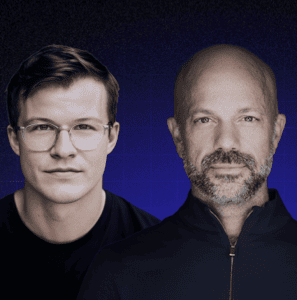
Jared Gibson & Kelly Foran
Kelly Foran is a Co-Founder at Outworks and sets the editorial standard behind every piece of content the company ships. She built the voice guidelines, design systems, and quality benchmarks that ensure executive content remains authentic, recognizable, and consistent at scale. Kelly’s focus is on removing friction from the content creation process—ensuring busy leaders can turn simple monthly conversations into high-impact, on-brand thought leadership without sacrificing quality or relying on generic messaging.
Jared Gibson is a Co-Founder at Outworks, where he leads the strategy that helps executive teams turn their internal expertise into a repeatable growth engine. Having spent years in B2B sales watching great companies lose deals they should have won due to lack of visibility, Jared now focuses on bridging the gap between what a company knows and what its market sees. At Outworks, he works with founders and leadership teams to build authentic personal brands on platforms like LinkedIn and establish content workflows that drive pipeline without taking over their calendars.
The part of practice they didn’t teach in law school.
If this conversation hit home, this is where Amata can help.
Marketing Lab →▶ Read the full transcript
Voiceover: Welcome to the 1958 Lawyer, the show for attorneys who know the old model isn’t working anymore. The billable hour, the 12-hour day, the expensive office no one visits. Your hosts, Ron and Rebecca Bockstahler, are here to question all of that and more by exploring smarter, healthier, more flexible ways to run a law firm. No more burnout, no more outdated expectations. Just real conversations with attorneys who are proving there’s a better way. If you’re ready to build a law firm that’s profitable and livable, you are in the right place. Now, here are your hosts, Ron and Rebecca.
Ron Bockstahler: Welcome to the 1958 Lawyer, the podcast about the business of law. I’m your host Ron Bockstahler, joined by my co-host RB. Your next client is going to search your name before they ever pick up the phone, and a growing number of them are asking AI chatbot about your legal problem before they ask a lawyer. That’s right. They’re calling someone else or looking at AI before they call you. But in most firms, marketing is one person’s side project. Usually, the owners, which means it dies the first generally busy week as soon as they get a case in. Today, we’re talking about how to turn what your whole team already knows into content that actually goes out the door without anyone sitting down to write a draft. With us today are Jared Gibson and Kelly Foran, co-founders of Outworks and co-owners. They built what they call a content operating system for B 2b teams. More than 100 executives publish through it. It’s a production team spread across eight countries. Jared’s back for the second round. Welcome. Good to have you back. Can’t believe we reinvited you. Kelly’s here for the first time, and owns the editorial standard behind everything they ship. And full disclosure, longtime listeners have heard me say this before. Outworks runs my LinkedIn, so I’m not a neutral party here. I’m a customer, and I’ll be asking the questions I’d ask if I were paying the invoices, which I am. Jared Kelly, welcome to the show. Thank you for
Kelly Foran: having us. For
Jared Gibson: having us, for sure. It’s
Ron Bockstahler: gonna be a fun
Jared Gibson: one. I like the in person.
Ron Bockstahler: It’s first time doing in person. That’s gonna be that’s gonna be a good show. Yeah. Now you guys have changed your model quite a bit. Maybe let me. That’s in my mind. Talk about what you’re doing today and what content is
Jared Gibson: today. Oh yeah, digger you want?
Kelly Foran: Yeah. I mean, it’s been a long road For us, I think from a content perspective, we saw the writing on the wall. What 2022 ish around that that time period where we started to see CEOs and executives really putting out their thought leadership right from a personal brand perspective outside of their their company brand, and that’s where a lot of things aligned with us and our our team, which is you know a team of creatives of video editors, copywriters, graphic designers, and we kind of saw that opportunity of where we could really help other CEOs, other executive teams, really put themselves out there in a genuine, authentic way and have their content land with you know not only their ICP but also partners and other people just in their audience.
Jared Gibson: Yeah, as a build on that, you also started to see the buyer journey shift. Sure, where as people, I think post pandemic, people really were going not just to companies’ websites to do research and look at the different competitors. Like they were going to social channels, whether that’s LinkedIn, YouTube, and they wanted to see these cooks in the kitchen, if you will. And are they putting out content? Do I vibe with this person? Are they putting out content that I can be like, okay, I trust this person. I may not be ready to buy today, but I’m going to keep consuming this content, right? And eventually, my hand’s going to go in the air. And when that happens, they’re going to be at the top of the list because I’ve been following their content for so long.
Ron Bockstahler: You guys made a bit of a change from the CEO or the one person now to the executive team. Talk to Bill about how that’s changed and how it’s working.
Jared Gibson: Yeah, I mean, for me, it’s it’s oh no, 26. I
Ron Bockstahler: do. Golly, knew we would love that. I know. I think it was natural, though. It was natural. It was.
Jared Gibson: I don’t know what I’m talking about. We have clients. I
Kelly Foran: mean, a ton of clients who are just you know, kind of like, hey, you know, could could we also do this with our CTO? Could you guys do this with our CFO? Right? Like they they got really interesting things to share and different perspectives than myself in their game, so it kind of naturally was like, okay, cool. And and I think we saw that on the platform too, where it didn’t have to just be the the CEO. Sometimes the CEO is not the person, right? They’re they’re not the one who is as comfortable getting on camera. Out content, so it’s it’s someone else on that executive team. But we’ve seen the most success when you know they bring in that full leadership team, and we’re able to kind of hit different types of topics, different types of angles. That helps the company from a kind of like grandstand standpoint, and really put out stuff that all of their you know target market can resonate with.
Ron Bockstahler: So we going so like on a LinkedIn, are we looking more at the individual LinkedIn page versus the company still, or is it more leaning into the company a little more?
Jared Gibson: I would say that it’s definitely more the individual. LinkedIn’s come out and said that they pretty much prioritize individual profiles over company, but it doesn’t mean that you can’t take what the individual is saying and rechannel it or repurpose it for the company page. I was going to say, but you were right to cut me off because that in 2026, like you should in the B 2b space be creating a culture of content creators. Like that’s the next generation coming up are on social media, though they’re the decision makers, and the way that we kind of view it as is like everybody is their own personality, everybody is their own subject matter expert, so we treat them as individual seats, right? Because they’re all talking. If you think about the way that buyers buy today, like there’s multiple people throughout the buyer journey that you need to get on board with saying yes, so you may have a CTO that’s speaking to the technical buyer, you may have the CEO that’s speaking to the economic buyer, right? So all that content is channeled for individual buyers, but we’re all rowing in the same direction. Like here’s the North Star up here. Everybody’s individual, but we’re all headed back in this direction. So that’s kind of the way that we that we view it as we’re working with teams versus just one individual.
Ron Bockstahler: Interesting.
Rebecca Bockstahler: Okay, so Kelly, you’re the person who takes a post and makes it sound like the person who said it. So if you talk to somebody for an hour, you have a transcript that you work with. What is it that you’re listening for, and what is it that you cut? Like, what makes a cutting room floor right away?
Kelly Foran: Yeah, it’s a great question. I do have to give a lot of credit to my creative team behind myself, right? Because there is a team of eight people who have just kind of an eye for so our video team. You know, when they’re going through the transcript or the recording, what they’re looking for are those moments where you know it’s a quick, concise, really kind of you know visual kind of explanation or segment that they are kind of resonating with in terms of like okay, there’s value that’s being said here, plus like we could make a great video out of this, right? So there’s that stage of looking through the video content, but our copywriter too is you know as they’re kind of going through the actual transcript, they’re also watching it and they’re seeing the moments where a lot of it’s body language. When you look at a CEO and you can see that they’re fired up about something versus just kind of like you know a softball question that they just are going through the motions. So there’s a lot of different tells, and then to really make it sound like them, it is so important to kind of rewatch over and over again how that specific person is saying something. Do they, especially once we have multiple takes or multiple kind of months of interviews, we can see specific types of phrases that they might come back to. You know, catchphrases. You know, like things that they say just in their everyday vernacular, and those are the things that’s really important for our copywriting team to like save. They’re like, okay, you know, Ron likes to, you know, compare this to that. Let’s make sure we’re bringing that to the forefront of the content because Ron knows better than anyone what works in a sales conversation, right? So those are the things.
Ron Bockstahler: Well, anyone except Jared.
Kelly Foran: That’s right. I was. I’m going to Team
Rebecca Bockstahler: Jared shirt.
Jared Gibson: I you. I think the content brain, the backend AI brain that we’re building to is is what we built for each of our clients. That is key. Like we are not creating AI slop that you see a lot right now. Like what we’re creating is a very particular backend system based on that individual, the likes, the dislikes, the tone, the things they would never say, what they’ve, how they’ve written in the past, what they’ve talked about in the past already. So it’s not duplicating some of the similar talk tracks. If I always say this to people, if you sit down at a bar and you’re having a conversation with your buddy, and your buddy says to you, “I know that you didn’t write that, then we’re not doing our job. Like it’s got to sound like the individual, and I think that’s always a concern going into any relationship with somebody new that it hasn’t gone through our process yet, is that like yeah you know I feel like if if I have a ghost writer do this like they’re not going to be able to understand me which I don’t know Ron you can attest to the fact that like we’ve got we got the voices on everybody’s different like everybody’s got their own tone like some of our clients are super sarcastic like some of our clients like. Are self-deprecating. Some of our clients are very funny or dry. We have to be able to tell that story in the writing and make sure that it matches exactly to them.
Kelly Foran: Yeah.
Ron Bockstahler: So let’s. Here’s where I think our audience is going to push back because you know the average law firm we have. You got a partner, you got a paralegal, and maybe an associate. Maybe there’s one other person in the firm who has value to be out there speaking in that kind of a scenario.
Jared Gibson: Well, I definitely think the partner, right? Because the knowledge base. I mean, you if you think about it’s it’s all coming from who? Where’s the knowledge base? Right. Who’s got? Is it the paralegal? If it’s the paralegal and the paralegals got a massive knowledge base and they have a great personality and we could put them on video and they could convey the message. Their network may not be as big, but the goal then there would be to grow the network with expertise. But the partners, at the end of the day, the expert, right? The like whoever that is, whatever their specific area of law is that they practice, like there’s so much information up here, and there’s so much new information coming down the pipe. I think newsletters are still very valuable, but I if if as a small business owner, like if I’ve got an employment attorney that’s putting out constant information on short video clips that I can take in that’s going to affect my day to day and things that are going on in my life and my business world, like feed me that over a long newsletter, right? Right, and I’d much rather have that stuff show up in my feed. Okay, did that answer your question? No. Maybe maybe Kelly should take this. I think you know.
Voiceover: I think
Ron Bockstahler: if you’re that that four person law firm, you’re kind of thinking, who are my clients? Who do they want to hear? And yeah, they want to hear the attorney, but there are other people maybe within the firm that could boost boost up that attorney without the attorney saying it for themselves.
Jared Gibson: A lot of clients do interviews. They’ll bring those people in to interviews. Like they’ll be like, “Hey, I want to bring my paralegal in. Let’s cut up some content with me interviewing that para whatever that is. So that’s always a great option because you’ve got people interacting, having that like one on one conversation. That’s why podcaster, right? Yeah. So bring them in, let them
Ron Bockstahler: do some talking, and then totally. You know, there was a a new software we’re just talking to a law firm about. I think it’s called Intaker, where the like the homepage you might have one attorney when a partner stop pops up and does a little 32nd speech on that website, and then maybe on a back page, like a high net worth page. In this case, a different partner pops up and talks as the expert on that of like a business case. I own my I own a company and I’m getting a divorce. Let me answer the question for it. Yeah, and that all video, 32nd videos.
Kelly Foran: Wow, so pre recorded or is pre
Ron Bockstahler: recorded? Yeah, oh yeah,
Kelly Foran: cool.
Ron Bockstahler: So that’s another way to look at it. Yeah, yeah, having different people come in and act as experts. 100% Well done.
Rebecca Bockstahler: So your site says no prep needed. Can you walk us through like what is the monthly session like that one hour monthly talk look like? What are some if you’re willing to give them up? Yeah, some key questions that you always know you want to ask because it gets people talking about things that are interesting.
Kelly Foran: Yeah, I would say a lot of it is defined in that early kind of kickoff call where we’re getting to know the person because we do want to define kind of their core pillars. Like, what are the core things about not only their business but their kind of unique POV on the world? And you know, it could be business related, but it could also be you know things that are more about like building, you know, the business internally, the the culture, the company itself. When we kind of get through that point of having a deeper understanding of that client, I would say it’s it’s really a matter of jumping into that first call and really seeing what starts to resonate. Right, throwing out questions that feel casual enough, like we we try to not make it feel like this intense podcast where like you have to give us the perfect answer to this. I’d much rather have the person be kind of free flowing, you know, and catching those moments where I see they’re like really digging into something, and that’s where those follow-up questions are so important because that’s usually where like the real juice of the you know content like value is derived. And so every interview is different. There is a lot of kind of strategy that goes into it that our team of strategists plan. Like we’ll we’ll craft a whole bunch of questions with, hey, here are some talking points that you know you’ve mentioned in the past. We want to dig into it deeper, and we do like we love it when clients do come in to prep, you know, and have specific things that like, oh yeah, I really want to talk about this, you know, this session, but you know, no prep is needed technically because you could just come in and it’s like let’s have a conversation. You know, let’s talk about your week. Let’s talk about the month. And sometimes that’s where the gold is found. You know, truly.
Rebecca Bockstahler: Well, that’s interesting because that makes me think back to our first podcast with you. One of the things that stuck with me was you saying that when you’re doing content, just look for your authentic self. Not being perfectly curated, it’s not trying to do something with no mistakes. It’s just showing up as as you are. Yeah, don’t don’t worry about polish. Yeah,
Jared Gibson: it’s the polish thing. People are still like, “This got to be perfect. Got to be perfectionist. Yeah, like a lot of CEOs that we work with, like they are perfectionists, but they’ve kind of got to let go of that and just know that, like, hey, this is not going to be perfect, like. But people don’t want perfect. Perfect comes off as not genuine. It doesn’t come off as like it comes off as salesy when you’re super scripted and perfect. Like right. So just be yourself for sure. I think that’s the biggest thing that we see going into people because you we have so many clients that’ll start and their their personalities out. They’re having a great conversation before we hit record. But as soon as we hit record, this weird guard goes up. It’s like, who the hell is this? Like, where did the person I was just talking to like two minutes ago go? Right. So, for a lot of our clients, it’s it’s kind of understanding where they are in that journey. Some of them can hit play and they’re like good to go. Let’s roll. Yeah, some of them like do need that crawl, walk, run, like coaching, and like by session three or four, they’re 10 times better than they were in session one.
Ron Bockstahler: Let’s take this back to the time commitment. Good question, Kelly. Like this is the biggest issue. Like we have clients that are spending three, four hours a week, which is just crazy putting together shorts, and we’re talking. We want to do one hour a month, and put together content for the month. How do we do that? How we kind of walk us through your process?
Kelly Foran: Yeah, absolutely. I mean, the whole point of the company was derived from the fact of like, let us take this off your plate. You know, like we have the systems built internally, so we can quickly understand your business, who you are, and all we need is really for you to show up with you know kind of a good attitude and you know just a willingness to kind of share you know in that one monthly session. So it really is kind of a matter of you know we get kicked off, we get to know you a little bit, we start putting strategies in place that we then you know, and it’s always helpful, right, to have other people on the team, right? Like Brittany on your team has been fantastic. Where you know if something comes up, right, just internally that maybe you’re not privy to, Ron, right? Like she can send that to me. That way, during the interview, I can ask it, and it almost feels like I’m on your team, right? You’re like, oh, how how did you know that? But like, oh, that’s relatable. Let’s talk about it, right? So you know, it really is a matter of you know, jump on for those 60 minutes each month, and then our team really gets to work in terms of you know creating all the graphic design, creating all the video clips, creating the carousels, you know, the copywriter kind of crafting each post, and then you know within seven days we send a big batch of posts over to you and your team, so you can check them out. Give us any pointers. Usually, like in the first couple months, that’s what we really ask for. Like, hey, give us your critical feedback. Like, this is where we really need to hear from you. Like, be transparent so we can perfect this. So every time you know going forward, we send you a post. You’re like, heck yeah, that sounds like me. This is this is great, good to go.
Ron Bockstahler: Yeah, look, I just as a customer, I would say, you know, I got to get ready for one one day, about an hour, a month, and yeah, there’s that you send things over and someone in my team approves it, but I’m dying. But all month, content’s going out, which is the best when people are asking me to talk to me about the content that went out, and I’m like, “Oh, that’s awesome! I didn’t know it just went out. Right, but it was me talking, right? And maybe it was a video of me, or that’s the power. And then when I get really busy or I take some time off, I’m still posting. Yeah, it’s continuously always going out. I think that’s the magic. Is that stay top
Jared Gibson: of mind? Absolutely, even if
Ron Bockstahler: continuous,
Jared Gibson: even if you are slammed with work and you don’t have time to do it, like you still have to plant those seeds. Yeah, the world is still working around you, and if you’re not planting those seeds, then when you come out of that kind of like work hole that you’ve been in, heads down, like you’re like, it feels like I got to start all over now.
Ron Bockstahler: Right. Instead, you’ll have new activity already coming up, and and you just roll right into it. I mean, it’s we used to call that using other pieces people’s resources, like maximize others’ resources for your business, and then and don’t you don’t got to hire everyone full time. You know, I see these small firms go, oh, I’m gonna go hire a marketing person. Why? And you first of all, you don’t have time to manage a marketing person. Right. So why would you ever think that way? And so changing the way you think.
Kelly Foran: Yeah,
Ron Bockstahler: yeah.
Rebecca Bockstahler: So your website says that you’re AI coward, but then Jared, you mentioned that you can’t just write crap like let crappy AI documents be out there. So sort of like, what’s the line on where people or were you where AI is good for this, but also you would never want AI to touch a different part of
Kelly Foran: it. Absolutely, I can I can take that. Yeah, I would say like my background is in design, so like the the creative aspect of content is super important to me and and the whole team, and so you know in this. Age of AI and you know the good, the bad, you know the AI slop. The most important thing for us was having a internal system that could create basically databases for each of our clients. That way, we can pick up the context of you know when Ron sends an email that’s going into Ron’s database. When after we record, that recording is going into his database. When we go back and forth on Slack, those comments are going into his database. That way, when my creative team is working, like our copywriter, and they have a question, right, or they’re unsure about something, right? Like, where did I forget? Where did Ron go to school? Right? They can ask our system, and it will tell them right away. So it really is more of like a contextual system that allows like the workflow to be more accurate and streamlined. So that was kind of our main, like, I would say that that’s really where it came from in terms of building this internal tool. Less for like, hey, you know, write 12 posts for Ron, and we’re just gonna take those posts and then put them into you know, send them back over. Like that was not what we were trying to achieve. It was more of like having the consistency of his tone of voice, but also like being able to QA stuff, like it’s fantastic for our creatives to be able to create something and put it through the system and say, “Hey, what do you think about this based off of your knowledge base of Ron? Are there any inconsistencies? Did I miss anything from the interview? Right, and it will let them know. Like, hey, Ron also mentioned this. It might be a good idea to throw that in there, but then it’s our copywriter actually writing it, right? And or our designer, you know, tweaking things in their design software. That’s
Jared Gibson: key. I think the key is AI will get us, let’s say, 80 70% of the way there, but we have human editors that two two sets of eyeballs read every single post, edit it, make sure it sounds like him. I’m finalized on everything before it goes out. Like everything goes through me. Like, and I’ve seen stuff. Like, hey, this slip through the cracks. Where I’ll call it out. Like, we talked about this earlier. Let’s let’s go back and kind of rewrite this. Like all this stuff. So, it’s not just copy paste AI in. There’s there’s definitely has to be a set of human eyes that that Q and A it before it hits our clients.
Ron Bockstahler: Before we kind of move in the next question, what like percentage your clients when they they’re doing the review are you getting a lot of feedback or are they just saying yeah this looks good? You know, are a lot of people doing a lot of editing on what you put out?
Kelly Foran: Not like I would say it’s usually like around that three month mark, where yeah, that review process starts to really kind of like we know that okay within 24 hours most of those posts will get approved right the first two like I was mentioning earlier that’s where we do sometimes we jump on a call to be like hey let’s really like get a temperature check here that way like my team like they can you know. If we need to iterate, let’s make sure it’s happening early. That way, going forward, when we send stuff over, you’re like, okay, sweet. Like this resonates with me. This feels like me. I feel great, you know, publishing this right now. Right.
Jared Gibson: We we’ve definitely had clients before. Story time. We’ve definitely had clients before where, and they didn’t like. You know, it was probably you could we could tell early on like when it’s like eh it’s gonna be a rough rough client oh yeah where they literally will and we know what they’re doing they’re copying and pasting what we put together like month one they’re throwing it into Chat GPT not even like clog that understand just throwing it copy paste into Chat GPT and having ChatGPT write it in their voice, which ChatGPT wasn’t trained to write it in their voice, and we’ll get it back, and we’ll look at it, and Kelly and I will be like, “This is literally,
Kelly Foran: yeah,
Jared Gibson: this is what AI slop is, yeah, right here,
Kelly Foran: yeah.
Jared Gibson: So you know, it’s the month, the a few months in, people kind of they’re like, “All right, love this team, trust this team. We can pull back a little bit on being like so polished. Like we trust that they’re putting the good stuff together now. Yeah. So it just takes a few months. Is is with anything? Like your guard is up. Like this is my voice. This is me putting this out into social media world. Like I’m gonna be kind of cautious at the beginning of this until these guys show me that. All right, we’re good to go here. Yeah. Right. So,
Ron Bockstahler: all right. Serious question, Jared, Ohio State man.
Jared Gibson: Yeah.
Ron Bockstahler: R.B. Indiana.
Rebecca Bockstahler: I saw the show notes. I brought a prop. Put on my IU hat. I mean, the
Ron Bockstahler: Ohio State has nothing.
Rebecca Bockstahler: I mean, I’m gonna. I’ll be full disclosure here. I am an IU grad and I am a fan, but I really, you know, the Signetti era is when I really locked in something. I know, I know, but let’s just talk for a second because, from Indiana perspective, we’re 16 and zero coming into the season, national champs on our. Way to that, we beat Ohio State 1310. I was at the Sun Championship in Indianapolis. We were there as well with my son. Too bad
Rebecca Bockstahler: we couldn’t be sitting together. Yeah, that would have been. I have a funny story from that game, but okay. No, that’s cool. So, I guess tell me your funny story, and then by the way, that was the first time we beat your team since ’88. I know ’88. I mean, I’m not even gonna lie. You guys probably don’t even know yet. That’s the year I stepped camp onto campus for the first time. That was so wild like that. It’s it’s anyway. How you thought about the season? Good.
Jared Gibson: So here we go. You absolutely should take the 365 days and shit talk as much as you possibly, because it’s not going to last much longer. No, I’m not saying that. I think that you guys got a coach that absolutely flipped that program around. I mean, historically, the fact that this phrase is about ready to come out of my mouth: Indiana are national champions in football. What are we talking about? Like that? Like a year or two ago, like this has been like, that’s fun. Like that hat probably was never purchased, and you probably were never wearing it, right? Which is fine.
Rebecca Bockstahler: That well, I mean, I have hats. Yeah, you’re right. You’re
Jared Gibson: right. It was. I was absolutely once Ohio State got knocked out. I like you want Indiana. Anybody in the country totally wanted Indiana to win the national championship. The game, the Big 10 Championship game because I have a bunch of friends that went to Indiana like nothing against Indiana like insanely like historical year we went to the national championship game my son is eight now we was seven at the time or not Big 10 Championship and he loved it great had a great time Ohio State played like shit like they did, he did. But at the end of the game, like when we realized we were going to lose, I look over at my pictures of it. His head is down, sitting like in crisscross applesauce in a seat, and he’s just bawling. And so we go out, and he’s crying all the way out to the car. We get in the car. We’re in traffic, getting out from the the the arena, and he started to calm down a little bit. But then the Indiana fans started coming out of the arena because they were in celebrating.
Kelly Foran: Yeah,
Jared Gibson: and all of a sudden you just start to hear this like who who who Hoosier like that, and he just starts screaming. What do they keep saying? Like rocking by the cars, and that’s all you hear. No, it was it was a magical run. I, you know, we got to go to Indiana and play you october
Rebecca Bockstahler: 17, which I think that game sold out before even yeah. Oh yeah, like
Jared Gibson: yeah, and I’m sure that there’ll be a strong contingent from Ohio State here. Yeah, yeah. Let’s see how that game goes.
Rebecca Bockstahler: Okay, we’ll talk after. Okay, but I think our right podcast. I think I told you this when we talked to you though that at the end of the Big 10 game, because the Ohio State fans were filing out a little bit earlier than the IU fans, but super great fans from Ohio State, which is not. I think what everybody usually hears, I didn’t run into one of them that was nasty. It was, it was a.
Ron Bockstahler: Oh, we actually went to a bar. Yeah, we ended up right down the stadium. It was a bar full of Ohio State people. We just sat and drank with them. We had a fun time with them, and they were like awesome. It’d be great here. Yeah, I think they’re 88 and 13 and one against IU. I mean, it’s like hey, little lopsided. We can get a loss here and there. It was just not that
Kelly Foran: one. Yeah, I wish that
Jared Gibson: was always how it is, but no. We everybody has their contingent of fans that are just like, nah. Ohio State’s definitely got its fair share. Yeah.
Rebecca Bockstahler: Okay, thanks. I’ll take my hat off.
Jared Gibson: All right.
Ron Bockstahler: Running out of time. We gotta get ready to close it up. I want before we close out. Give us like a couple, three or four of the biggest mistakes that you see, like your CEOs, your clients, or potential clients doing, and then maybe what you can do to how we can fix them. How
Jared Gibson: about I take two, you take two.
Kelly Foran: Okay,
Jared Gibson: I’ll go first.
Kelly Foran: Yeah. Wait, our clients or
Jared Gibson: anybody? Potential clients. Yeah, potential
Ron Bockstahler: clients.
Jared Gibson: I would say depending on AI to do everything and not actually having a system in place. That’s where you get a lot of like, yeah, we’re good to go, and then you go and look at their content, and it’s it is AI slop, or it’s like, yeah, I’m super active, and it’s just reposting company garbage that from the landing page for the company page that nobody cares about. So that’s I would say that that is kind of maybe two, but the other one is inconsistency, like and giving up too early on it. It is yeah, I did that for two months and we didn’t get any clients from it. It’s like it’s not how it works. Like this stuff compounds over time. Like if you’re not mentally prepared to do this for 12 months, then you shouldn’t do it. Right. You should find something else to do. But if you do it and you’re consistent with it and you’re putting out good content, I’m not just talking about LinkedIn. I’m talking about podcasts. I’m talking about YouTube, Instagram, like whatever you’re on Substack. Like if you’re not doing it consistently for a long period of time, then it’s it probably won’t work. So you have to just commit to it and be intentional with it. Okay.
Ron Bockstahler: Two big ones. We took the biggest ones. Now you had to think a little longer. I
Kelly Foran: know that’s okay. I would. I was actually say my the first one’s kind of an easy one, but like not doing anything right for a CEO or any of their you know kind of executive team, not seeing social as like a great channel right for you and for your business. That’s a missed opportunity for sure. I would say another one, kind of a build on yours, but like expecting that you know the first initial like you know content that you put out there is going to be what automatically lands with your you know end user, right? The fact that you know really kind of like banking on perfection and that like this is the silver bullet. Whereas, like, it’s the reps, right? By doing it, you will find your voice. You’ll find your lane. You’ll get feedback from people in your audience who’ll say, “Hey, I saw your post. Like, have you ever thought about talking about this? I know you guys do this. And it’s like being light bulb. Like, next session, I’m going to talk about that, right? It’s like sometimes you have to put yourself out there to get that candid feedback from folks, but also just to get into the the motion of like, oh, you know, this is not nearly as daunting as I thought it was. Like, you know, people don’t care nearly as much as like your own brain is telling you. So by getting over that hump, you start to see a lot of new avenues of like, okay, interesting. Like if we change this, let’s see if that will resonate more, and you can start to kind of experiment more. And that-that’s, I think, a missed opportunity if you just expect like, okay, I’m going to post, and this is going to be this is going to be it. This is going to get all the clients. Everyone’s going to recognize me, right? It’s like you got to put the work in.
Jared Gibson: Can I add a quick bonus?
Kelly Foran: Yeah,
Jared Gibson: bonus five. Bonus five. Here we
Ron Bockstahler: go.
Jared Gibson: This should not. You should not put all of your eggs into this basket. Like this is a tactic. Is part of an overall strategy. Right. So your strategy is up here. You want to grow your company. You want to get more clients. Here’s the top. You should be going to conferences. You should be going to events. You should be networking. You should be creating content. You should be doing email marketing. Whatever that is, like it’s a tactic. But if you if you literally depend on just this to work, then you’re you’re definitely setting yourself up for failure.
Ron Bockstahler: Absolutely, absolutely. Outworks.io. Look them up. Give them a call. They can help you going. You guys, great having you on your show. Love working with you.
Kelly Foran: Thanks so much. You’re our first time,
Ron Bockstahler: two time. We were at this session. All right, that’s good. We’ll have to get you guys back on here. I think one other thing I want to mention because you guys have the capabilities to like if someone comes in, they do a video, and they need someone to help edit, cut up that video. You guys can handle those things. So we really didn’t talk about all the things you guys can do. You guys, you want to give a quick rundown of?
Jared Gibson: Yeah, I can give a quick rundown. So I know we’re talking about executive content on specifically LinkedIn, but once our content operating system gets within a company, we can be we we position ourselves as their content operating partner. So yes, we can do executive content. We can also do. You want to do YouTube series? Awesome. You know, send us over the 30 minute raw footage, we will knock that down to 10, make it super interactive, cut clips from it. So you have a YouTube series. If you’re a pod, if you have a podcast, we absolutely we do this for a lot of our clients. Cut up podcasts and create clips from podcasts. We’re doing a lot of our clients now are having us doing testimonial case story videos. So we’ll interview their clients and we’ll cut up really good website content, and then also clip content that their entire team can push out. We do right now one of the areas that we’re really focused on is working with large associations and private event companies that have these conferences or events coming up. We’ll interview their speakers ahead of time, and then cut clips from that. The speakers push that content out to promote the event. We rebrand it for the association. They push that content out, so you’ve got hundreds of 1000s of impressions going out, driving attendees to these events. So that’s something right now that’s top of mind. We’re sponsoring a big conference in Indianapolis next month that we’re excited about.
Ron Bockstahler: Awesome! Awesome. Well, thanks for being on the show. It’s great having you. Yes,
Kelly Foran: this is great,
Ron Bockstahler: Brittany. You want to let it run? All right. If today’s conversation got you thinking about the expertise sitting inside your firm that nobody outside it has ever heard, I hope you’ll take one idea from Jared and Kelly and put it to work this week. Give them a call. You can find Jared Gibson and Kelly Foran. Am I even saying your name, right? Foreign, Foran.
Kelly Foran: Yeah,
Ron Bockstahler: close enough.
Kelly Foran: Close enough.
Ron Bockstahler: All right, I should have asked you before the show.
Kelly Foran: It’s complicated. It’s Ferran. Forran. Yeah.
Ron Bockstahler: Okay. All right. Retake. No, I’m just kidding. We don’t need retake. You can find Jared Gibson and Kelly Ferran on LinkedIn and the company at Outworks.io, where they will give you a week of content on the house. Is that true? All right. Yeah, I’m making that up. Plus a free 90-day content challenge template, which I did see on LinkedIn. So check that out. If you enjoyed the show, please subscribe, leave us a review, and share it with the. Colleague who could use it. The 1958 lawyer is brought to you by Amata. For more than 30 years, Amata has helped law firms of all sizes do more with less, built on our five pillars: fractional support, staffing, virtual office options, office space, legal community, and marketing support. Whether you’re a solo practitioner just starting out or an established firm looking to right size your overhead, Amata gives you the infrastructure of a big firm without the big firm price tag. Learn more at AmataCorp.com.
Voiceover: Thanks for listening to the 1958 Lawyer. If you like the show, tell a friend, and please subscribe, rate, and review us on Apple, Spotify, or wherever you get your podcasts. If you’d like to hear more about Ron, Rebecca, or Amata, go to amataoffices.com. That’s Amataoffices.com. All the links are also in the show notes.
The 1958 Lawyer is produced by Amata Law Office Suites · 312.924.0200