
Megan Mathias: Lawyer, Single Mom, Candidate For Chicago Alderman
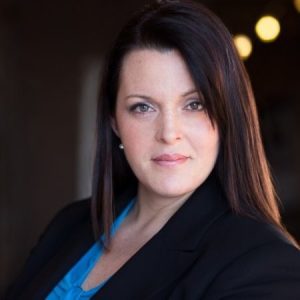
Megan Mathias
Megan Mathias, Founder of LOPP MATHIAS LAW Family Law Bio: Megan Mathias is a fierce advocate and compassionate defender of the rights of entrepreneurs, women, children, and BIPOC. After 14 years lawyering for mid to large size law firms, becoming a Partner, and winning over $70 million in commercial and family law cases, Megan knew it was time for a change. Increasingly frustrated with the inefficiencies she saw in large law firms, and not happy with their prioritization of billable hours over-delivering value and results for her clients, Megan knew she could do much better. She decided to create her own firm, Lopp Mathias Law, driven by her values, her standards, and her integrity. To that end, Megan created an innovative and fast-growing firm of like-minded attorneys. She incorporated state of the art technology for document automation and assembly, better billing practices and alternative fee arrangements to reduce legal fees for her clients. Driven by efficiency and effectiveness, Megan also designed her firm to provide a wide array of specialized legal services through her unique Affiliate Network without the typical law firm overhead and passes those cost savings onto her cl
Visit Megan Mathias →▶ Read the full transcript
Ron Bockstahler: So you're a lawyer, and your clients are squeezing you for lower fees. How do you put more cash in your pocket? We want to expose you to new ways of practicing law. Endless hours with no home life and a lease on an expensive office are so 1999. It's time to make a change for the better. Here to help you with that is your host Ron Bockstahler. Welcome to the 1958 Lawyer Podcast. Hello and welcome to the show, the 1958 Lawyer, where we talk about the changing landscape in the legal industry. Our guest today is Megan Matthias, founding partner of Lot Matthias Law. She represents business owners with challenges relating to corporate governance, employment issues, shareholder disputes, family law disputes, and contract issues. And you're going to have a lot of fun listening to Megan. She's got a ton of energy, and she's done just a million things. And we really want to find out how she does it all. So she's an advocate for women and Black, Indigenous, and people of color. She sits on many boards, including the YWCA Metropolitan of Chicago, a lifespan Belding Elementary School, as co-chair of the Steering Committee State Court Small Case Project Teams for the Seventh Circuit Electronic. I messed that up, Megan. You're going to have to tell us about that, okay? And now she's decided she's going to run for the 45th Ward Alderman in Chicago to make her where she lives a better place. Megan, welcome to the show.
Megan Mathias: Thank you. Thanks so much. Thanks for having me.
Ron Bockstahler: All right, let's get started with where'd you come from and how did you get to where you're at? Let's start us from the beginning because you got a great. I'm
Megan Mathias: from a small town in Michigan, very small town, dirt road even. My mom still lives on the same dirt road. First generation college student, self through college at Michigan State, and then came to Chicago in 2000 for law school, and obviously got through law school and was practicing at bigger firms for significant portion of my career. But I always one of the only females. I was one of the only females in litigation at a big firm. Then I went to a smaller firm where I was one of the only female partners, and I thought since I was you know higher up in this on the hierarchy, that I would have some more impact on some of the things I cared about. But it's still hard. Law firms are like big institutions with their own culture and their own rules, and I'm a disruptor. So I didn't. It wasn't the same that I that I how I wanted to practice. So even the marketing people would come to me and say, "We're having trouble kind of getting your message with the rest of the firm. So I compensated people differently. I ran my teams differently. I wanted to use different technology. So anyway, in 2018, I started my own practice disrupting the legal. Okay, let's
Ron Bockstahler: talk about your own practice because in 2020 you wore you won an award from Legal Tech. What did you win, and why did you win it, and what are you doing differently?
Megan Mathias: It's an American Technology Award because I've been working on legal tech for quite some time. I've sat on the steering committee for the Seventh Circuit. Used to be called Pilot Program for eDiscovery, and it is the group that helped form the rules that were adopted by most jurisdictions around the country in how you handle electronic information. So in any litigation, it's important. So of course now photos and everything has metadata attached to it. How you manage that in litigation is obviously really important. So that was the starting of getting involved in technology as it relates to the legal field. You know, 10 or 15 years ago, whenever that was, and then it's now, like I said, when I started my own firm, we were already paperless. I started it with a completely different model, business model. I compensate the lawyers differently. Like the whole everything I do is different, and I think better and faster and more efficient. It allows me to get flexibility to my clients, and you know there was bumps along the way. You know I learned a lesson here or there as to you know why the business model, what the downside of some of these models are. I understand it, but I think it's worth the risk. And clients know now. I mean, they know they're looking for flexibility. Even big clients, they want to know that you're monitoring and you have metrics around some of your productivity and how you build and that kind of thing. So it's been okay.
Ron Bockstahler: So give me so let's get into the meat, so it's different. What exactly are you doing different?
Megan Mathias: So pre-COVID, because we started in 2018, I started a paperless office. Everything was virtual anyway, so my lawyers can work from anywhere. One of my struggles in bigger firms is that you have service partners, all of whom I like. So I'm not talking trash about my old partners, but their job is to service the work that we, the business developers, bring in. So there's some inefficiency. They're they're pulling significant salaries that obviously impact your overhead. But their job is not to go get business. That was and so they're waiting there. They like a specialist. I always give this example as like a 409A. It's a complex tax issue that I know nothing about. But to have a 4090 expert, you have you know person pulling a major salary, and you just have to go get the business to have this person working on it. Or you, I have contracts with even big firms that have specialists on the issues that I need for my clients, and I can still operate full service, but I don't have a couple million dollars in overhead sitting and waiting for me to bring them. Business, so I have some staff lawyers, and but I use virtual assistants, and this was all pre-COVID virtual assistants. I use contractors, but I have contracts with them for quality standards and responsiveness and stuff like that. And then, as it relates to more more complex and sophisticated issues, I have vendors, which are largely law firms, and and that will handle those kind of issues, so it's a completely different business model.
Ron Bockstahler: So when we talk about the business concept, you're using the practice management software. You're you're up in the cloud, so technology is kind of driving your firm, not the old school. We need 25 people sitting on staff to you know type a letter type thing. Right, exactly. Getting that right. Okay, excellent, and that's working out well.
Megan Mathias: It's working out well, and the bigger, more sophisticated clients really appreciate it, and they don't expect it because we're technically on paper a small firm, but we're small but mighty because we have, like I said, we have the full cert. We can cover any almost anything except for intellectual property disputes, and but in a sophisticated way with the right kind of staff and a very thoughtful process as that relates to them, and also how we communicate with them. We have auto bill technology, so it bills by the minute, so you're not getting over billed on accident with lawyers. Like I think I spent 50 minutes on that kind of thing. We also have flexible billing arrangements, so because I have all these metrics and I monitor them, I can offer flex that other firms can't because I use templating software. I can take a deal in for somebody raising a you know a capital round and usually it's billable, but I can flat rate it at you know 25 $40,000 and big firms are doing it at upwards of 100 and we're doing the same thing but I use templating technology and so it reduces my time and the cost, and the clients love it. So,
Ron Bockstahler: so before you started your own firm, I think you might have did a little interview of how do I pivot to a corporate role, right? And you recall this?
Megan Mathias:
Yeah. Ron Bockstahler: And so you were thinking, I think at the time, I don't want to put words into your mouth, but you wanted to be in the C-suite and understand, you know, let's run a business. Obviously, you started your own firm, but you know, in what you just said to me, kind of maybe this is why we like each other so much. At least I like you. I don't know if you like me or not yet. Is you know, I run a large a corporation, a large corporation, and then my company now, mid-sized firm, and I believe in outsourcing anything you are not an expert at, and it doesn't matter. And I think law firms, if they would understand that, they'd be so much more successful. And too many of them go and say, oh, I got to go hire an employment lawyer. I'm going to pay him, you know, start him at 80,000 a year because I got a client that wants to do an employment. Instead of going finding a firm that's an expert at it and outsourcing it to him, it sounds like that's what you're doing. So basically, I think you got that corporate experience by starting your own firm.
Megan Mathias: I did, and what we we call it now. I didn't know how to put a word on what I do. So what clients would say to me is, Wow, you're really holding my hand through this, taking a company, and sometimes when they're doing a capital round or an acquisition, it completely changes how things operate. If you have a transactional relationship with your lawyer, we're just doing the task and kind of moving on. You're not a fantastic lawyer; you're getting the job done. Okay, I say this a lot. It's not rocket science. Some of it, but when you're in it with your client, so we're legal plus is what we call it. Where they need more than just your legal mind. They need you helping. I can read you your policy handbook and help you with these and that. But sometimes you need someone helping you come up with the processes within your company to make it more efficient, to grow, to go after a certain market. To you know, because I have that kind of entrepreneurial mind and mentality. It's like legal plus. Some say like a GCE, a general counsel, plus your COO, because you're helping from the C-suite level talk about strategy, all kinds of things that just a regular outside counsel doesn't provide. So we've started to put a word on it because that's what people really need. And then COVID, they had to slash so much. A lot of our clients were, you know, just trying to survive. They need you to get in the dirt with them and and really dig in and figure out how to survive what's happening. And that was when we realized, man, that is our superpower here. So that's really one of our main offerings.
Ron Bockstahler: So I read somewhere, maybe on Tracklight, you did you do a talk on cash flow or teaching people, one of your tell us about that because I don't think too many attorneys really understand that.
Megan Mathias: Right, they don't. And I remember as a young lawyer being like, I need to go get my MBA. There's definitely stuff here I don't. I need to know. I didn't go get my MBA, but I learned other ways.
Ron Bockstahler: You got it, non-job experience.
Megan Mathias: Absolutely, they don't teach you anything like that in law school. And I have a business degree, but it was in marketing, so it wasn't it wasn't heavily focused on the financials. So you know, I represent a lot of small business owners too, especially when I went on my own. I started representing women and minority-owned businesses, and as as its market, because bigger firms they trickle in. But I wanted to focus on it, and some everybody is when you're a new entrepreneur for sure, you need help managing those kind of things. You don't. You're not even aware that that's a thing. And how do you get it? And there's lots of ways to to get through it. In COVID, that's on steroids. How do you manage your cash flow? I don't even know if I'm going to have any cash. So anyway, it's a skill that I have developed and learned that clients need it. They need you in the trenches with them, and and that includes managing cash flow. Includes your people and other alternatives for for for that. So what we tell people, even right now, we work with people who acquire other companies, and they may not want the legal department. So one thing we're really good at is this interim role. So they may for 1824 months not have a general counsel, and they might have five law firms and then spending way too much money. It's inefficient, but they need a general counsel. So we stand up their legal department for 18 months, helping them with processes, bringing in the right technology, people. We have relationships with vendors, and we can fill fill your legal department overnight if we needed to. But we can stand that up for you for 18 months while you get the right GC and you get the right you know structures and infrastructure in place. So that's been a really great market for us.
Ron Bockstahler: That's awesome. I mean, it's great to hear that there's firm innovation that's going on because you don't hear that a lot in the legal industry. Although COVID accelerating things,
Megan Mathias: yeah, that sort of forced the hand and that separated the cream from the crop, as they say. So you know, we were doing trials right away on Zoom. I did a trial, an international trial on Zoom with the beginning of COVID, like like nothing, our opponent was struggling with the process. So you know, I tell people sometimes you win on process, sometimes you win on merit, and sometimes apparently you win if you're better at the technology. Oh, that helps.
Ron Bockstahler: So let's kind of get into. You've had some some challenges, to say the least. You know, if you don't mind, I'd like for you to talk about some of the, I mean, you've really got. Let's talk about even on your personal side, if you don't mind, because I want people to understand this hasn't been easy, and there's a lot going on here.
Megan Mathias: Yeah, there's a lot. I mean, come coming from a family where nobody went to college, and you know, I I tell this example to people. I went to law school and was like, why does why do people have business cards? I never really seen people using business cards until law school. I'm out of college with two college degrees at that point, and I was confused. Like you know, because I don't have a parent to go say, "Oh, this is how you network. You know, I learned. I had to learn everything on the job. So when I hire, I hire for grit because I've been through things. I've been divorced. I filed for bankruptcy after my divorce. I got a DUI at one point in my life. It it obliterated my self confidence. It took years to get, and I was so worried about you know my family, the whole thing, all of those things. Looking back, you can learn from. You can take that energy and use it for good, or you can you know dig yourself a hole and stay in it for a while, which you know is kind of whatever I feel like everybody's doing right now with COVID, but you know I've learned to take those experiences and those challenges and find a way to find the silver lining, learn from those mistakes, and grow. And so now, when I hire lawyers, I look for grit. I don't look for mistakes necessarily, but you learn from those life experiences, and if you can use it the right way, and you really do learn from it instead of just put it under the rug. It really does bring you a different kind of mentality to the practice of law because now you can empathize with what your clients are going through instead of just like why are they making all these dumb mistakes. Now you're like oh well because we all do and how do we help them get out of
Ron Bockstahler: it? Can you jump into time management for us because you got so many things going on.
Megan Mathias: Yeah, that's a thing. I have three kids. I have my law practice. I when my so my partner got sick a few years back with cancer. He was very sick for multiple years and passed away in 2019. In the middle of that, I realized I needed to be closer to home. So I that's part of when I started my law firm in my neighborhood in the 45th ward, and and managing my time. I say to people now, I don't feel busy. I felt real busy when I was taking care of my partner dying from cancer while having a three-year-old and a four-year-old and teenager, and also trying to keep my law firm afloat and come up with all these new policies. I was also an elected at the time, and I still am an elected local school council member for a local elementary school in my neighborhood. I managed that. That was time management, right? You know, now I feel like I actually do feel I have the time for everything happening, and it means you have to have the right team around you. It's not that I'm a superwoman, although there are days I feel like oh I had to be a superwoman to get through that, but it's also about hiring the right people, like you talk about outsourcing the things that you're not good at. I know what I'm great at. I know what I'm not great at. I'll still get it done, but it might not be my hands on it, right? So, but and that's what I'm learning. Having the right team around you is it's killer. It's the it's the way to get through everything. You might have a deal. We do deals, right? Transactions for clients. They might buy a company and want to do it in 60 days. That's that's an undertaking, right? I have to have the right team and infrastructure for me to be able to get the clients' needs done, and that applies across the board, including the kids. I became a single parent in 2019. It's a whole nother ball game. You can't go to Walgreens because you can't. You got to get everybody in the car to go get you know some toilet paper. So you know I've got some infrastructure around that now, and but that that applies professionally too. You just have to have the right team. You have to invest in your team, make sure they're happy. Part of my law law firm culture is also completely different. We do team building events before. Covid, we were doing like escape rooms, and which takes your hierarchy, and it's gone because the people getting us out of the escape room. Believe me, it wasn't me. It's like the clerks. We got out of one of them because of a clerk, you know, a quiet clerk that was so sweet, never said a word, and he was like, "Back up, I got the handle. It's like awesome, you know. But that's a nice way for people to feel your humanity, and your team works, I think, harder and more productive during the time that they're supposed to if they feel respected and taken care of. And so we, I care a lot about that around
Ron Bockstahler: here. I will forget the name of the attorney I was listening to his podcast or a podcast. It wasn't his, but he's a big time personal injury attorney around the country, out of Vegas, and you see his billboards everywhere. 2222222 is his phone number. Anyway, turns out he was an Amata client when he first moved into Chicago, and I had forgotten about that. But I listened to him, and I thought, you know, his father he grew up went to prison when he was when he was five years old, and you know, just had a challenging life, and kind of has the same the way you're talking is have grit. I want people that can just will do work hard and figure it out. Right? You're not gonna be the smartest person.
Megan Mathias: Right,
Ron Bockstahler: and like you're saying, go get people around you that are great, and don't act like you know more than they do.
Megan Mathias: Right, yeah,
Ron Bockstahler: let them do their thing.
Megan Mathias: It's harder than it sounds, but it it is, you know, that's its own skill. And sometimes you make mistakes there too, but it really does. You know, if you invest in people, it matters how they feel. My, I remember as a young lawyer, being told you're too nice to the staff, what are you talking about? My mom works at the fruit market. Okay, I don't treat people that you know like like that. We are salt of the earth people, and now I know because in some places the lawyers are the lawyers and the staff is the staff. I'm not like that. I still have Thanksgiving every year with the woman that was my secretary for eight years, we are best buds. It is, you know, it's not hierarchical like that. So I think it matters how you treat people, and that applies to my my company and my clients and the political world, especially where I live.
Ron Bockstahler: Well, politics. Let's talk politics. You've taken on a huge challenge now. You're going to run for alderman of the 45th ward. Tell us about that. Let's talk a little bit about your platform.
Megan Mathias: Yeah, like I said, I'm an elected already in the in the community. I do a lot of community work. I deliver food for housing and home and food insecurity families on the weekends, and we've been doing a lot of work for for many years in the community. They've been asking me to get involved for quite some time, but as I told you earlier, I had to take care of my family. Obviously, in the interim, we we've had some leadership changes that have been difficult for my community. So I stepped up in response to community, you know, essentially begging me like we need someone to get in there and and essentially respect people's opinions. So just what I learned with my law firm over the past whatever 18 years, this applies to politics too. We're never going to all agree on everything, right? And if you're the type of person that's not going to respect someone else's opinion, you're going to create divisiveness. We already have divisiveness, so I've gone way overboard trying to learn and listen to all sides of every issue, because they're not just two sides to anything, and trying to bring that kind of leadership to the 40-fifth ward.
Ron Bockstahler: So let's-I mean, everyone has a skeleton in the closet, at least in my history. I know I do. So what's the worst thing that your opponent's going to find out about you and get put out there? Let's put it out right now.
Megan Mathias: Well, we-I've talked about it on 100 podcasts. There's nothing-I don't think that you can find that I haven't talked about not just podcasts, but you know interviews and you know articles and whatever over the span of time because I I talk about grit in terms of how I started my company because of what I went through right so I've already talked about it today you know having to file bankruptcy as a young person that was just getting divorced, and it was $15,000 which felt felt like a mountain at that age. I look back, I'm like, wow, you know, that was probably, you know, that was hard. It was embarrassing. It follows you for a decade, so those kind of things, I'm sure, are going to come up. But, but I'm a real authentic person, so I'm not worried about that. I'm sure maybe some strategists are, but I think it is what it is, right? And you make mistakes, and you can either own it or you can hide from it. So I own mine. I learn from them, and and I I've learned not to put myself in situations like that to repeat them.
Ron Bockstahler: So I've heard you just one on one. You and I have talked, and I know you got some a vision. You got you got things you want to do. Let's talk about what your vision is for the 40th ward.
Megan Mathias: I would love to see the alderman's office focus on our schools. Sitting on the LSC, you know, I I have learned first of all how complex and hard it is to run a public school. I don't run it; I just participate in it, and it's it's hard. I helped the school form the tech committee. Thank goodness, about a year before COVID, because I love tech. Obviously, I want to bring innovation to the alderman's office too. But that that's a real issue, especially now. I mean, the schools are the foundation of a neighborhood. What schools are going for, going through because of COVID, it's transformational how they how they handle it and how our kids are going to come out of it. And I have one at every level. I have a kindergartener, a second grader, and a junior in high school. So, how the schools are able to navigate is going to matter. How my kids come out of this with how much therapy do they need, right? I mean, it really does matter, and we're not focusing a lot on that. And I think it would be really important. Another issue that is really important in my ward is both development and the lack of investment in the in the community. So there's the main thoroughfare going through the ward is dead. There's a lot of vacancy, but no one's working on it. When you ask my opponent, what's the vision to get these small businesses, you know, supported and people back out, you know, and invigorate our ward, he won't answer that question. And I'm here to say I have a big plan. As you can see, I think big, maybe too big. I'm sure someone will say that's ridiculous. Let's tone it down. But you got to come in with a plan and advocate and work hard and think about it, and not just wait for something to land on your desk. So that's what I want to do: is put together a vision for the ward, listen to community voice, work really hard. That's going to be hard. I'm not saying it just walk around and everyone agrees with me. So I know that's a hard process. But if you start that now, I'm not in the office yet. I won't be the alderperson until February 2023. But I'm starting now with a plan. And how do you listen? How what are the models that have been successful around the country for listening to community voice? How do you put that together? Who who's involved? What that looked like. So I think the community. I know the community. They're hungry for it. They want to be listened to and respected.
Ron Bockstahler: Talk to me a little bit about COVID 19 vaccinations, masking. I don't even know what the school policy is. You have to mask, correct? That's a state policy, right? Yeah.
Megan Mathias: Yep. CPS is going to be in person and everybody masked. So I mean, I don't know what the Delta variant. If there's going to be some kind of change in that, but there's. I also think our leadership could have been better there too, especially in my neighborhood. I was as a regular private citizen organizing and transporting people to their COVID vaccinations. You know, it was a little bit like cricket sometimes. Like, why can't we get? Why isn't my opponent before he was my opponent helping me? Why am I doing this? You know, with my with friends and volunteers and neighbors and other electeds, helping me find people that needed a vaccine. How do you get someone to coordinate to both make their appointment? Because that's a thing for people who don't aren't great at computers. Half of the appointment systems were were virtual, so you have to go and help them make the appointment and then arrange the transportation to go pick them up, wait for them, and some people were waiting hours at the time to to get their appointment, get them back home, and then do it again for the second one. So that it was a lot of work. That that was, I think, the government should have been doing that, but I was doing that.
Ron Bockstahler: Let's talk about being an alderman. Was there 50 aldermen in Chicago?
Megan Mathias: There are.
Ron Bockstahler: So you remember back the day when Daley was there? If he didn't have a 50 to zero vote on what something he put out in front, like he might have had a 40-nine to one. Everyone's like, "Whoa, someone disagreed. That's changed a little bit because we actually see that there's a little independent thinking going on. Can you talk to a little bit about you know how? Because you're obviously not going to be a rubber stamp,
Megan Mathias: not the wallflower exactly. Yeah,
Ron Bockstahler: you're not going to be the wallflower. But how are you going to handle that? How are you going to handle being you know, one of 50 working with the mayor.
Megan Mathias: Yeah, it's a it's a tough job, but I'm good at collaborating. So what I say to people is they they say, oh, you're this tough lawyer. You're good at like the fight. I am good at the fight. We're great at the fight, actually. But you resolve things 99% of the time. It needs to be resolved. It's not the case you take to trial. Even when you're a great lawyer, because I love to take stuff to trial. I love trial work. I love being in the courtroom. It's where like all the it's like what it's my passion as it relates to legal. So, but that's not always the best result for anybody for the clients especially. So, how do you take a complex issue when people are on fire? They're you know emotionally charged. They've been going at it. They're spending too much money litigating. They're just in a nasty place. How do you take that and find a solution? That's what I do every day. And and city council is a little bit like that. There are people complain that that the mayor is able to sort of manhandle the council because she's good at the rules. But she's good at the rules, and I say to people, then learn the rules. And you know, stress. I don't walk in accordance, hope someone doesn't object to my piece of evidence. I've studied for weeks. I know what you're going to object. I know how I'm going to answer. I don't know how I'm going to win because I brought the case law. So that's sort of how you have to approach the job. And I know that's not everybody's thing, but I guess that's my mentality: is how we both collaborate, but also anticipate and politic and think a little bit ahead. How are we going to get get past an objection or a motion to table something. You know, think a little bit about that and work with your colleagues on it. So I think that's a really important piece. So I
Ron Bockstahler: asked you once. I said, "Are you up for this challenge? And you said, "I was born for this.
Megan Mathias: Yeah, I do feel like I've been preparing, sharpening the skills my whole career for this job because it is it is complex. It is both constituent services where I think there needs to be more technology managing the office of the alderman and how calls come in and what's being done about them and looking at those metrics. But it also is the legislative portion of our job and how you're. Going to approach what the community needs, how you're going to listen to community voice. There's menu money that every alderman gets every year, and you get to decide what to use it on. Some people listen to the community, and others just decide. So there's hybrid models that you can both listen to the community, but yet you make the decision. I think it's a better way to approach it because it's not just me. I'm merely a reflection of the community. I'm I'm supposed to be your representative, whether you voted for me or not, which is apparently an issue in my word. Where you didn't vote for someone, you may not get the attention, or you can't get your holes potholes. I don't want to be like that. I want garbage taken out. Say it again.
Ron Bockstahler: You can't get potholes fixed, or you can't get your garbage taken taken out.
Megan Mathias: Oh yeah, yeah, I could. Yeah, I want it to be. I'm listening, and I'm. You know, we're not going to hold grudges. We're going to move forward. We're going to find a way. And if you need assistance with your pothole or or you know trimming a tree or whatever's happening at your house, it's not going to matter. Well, when I'm the alderperson, who you voted for.
Ron Bockstahler: If we talk about politics on a little bit bigger picture and keep and and kind of focus on technology. You know, how can we use technology to get more people to the polls?
Megan Mathias: Yeah, I always say it's not just technology; it's also innovative thinking. So they're hand in hand. So some of what I do, it's not even the technology; it's the way we think about things. So I think that the same way we're doing our our kickoff on our campaign on National Voter Registration Day because I think voter registration should be everywhere. It should be you know you go to the store and there's a voter registration reminder and you know and because more people involved is better. There's 55,000 people well right now we're redistricting but right now there's 55,000 people in the ward for the new numbers come out and only 14,800 vote for the older person. So you really should, from a metric standpoint, have more people involved so you know you're representing what the community really wants, right? So that includes that's just the basics of voting. So there's lots of new technology out. There's lots of energy around voter registration, and I think it's really important to keep that going.
Ron Bockstahler: Change gears a little bit, and let's talk about a couple of the organizations where you sit on their board. And I think because you got a couple really good, interesting ones that you work with. And if you got one you want to talk about, otherwise I'll just. I sat
Megan Mathias: on the board of the YWCA of Metropolitan Chicago for for many years. I recently resigned because they have a lot of business with Chicago, and I didn't want that to be an issue in my race, so I actually just stepped off the board. But their mission was empowering women and eliminating racism, both things I care deeply about. And they have so many wonderful people. They serve more than 200,000 families in the in the Chicagoland area. They're a really great organization that I sad. I literally cried when I resigned because it's really a passion of mine. I also sit on the board of Lifespan, which is an organization that is long-standing and has been fighting domestic violence and human trafficking for a very long time. I even help with bigger cases because those kind of trials are tough, and you don't want to miss miss a beat. And sometimes you have big, scary opponents, right? So you need a team, and so I've been doing that work for a long time, and I care passionately about that. There is no excuse for domestic violence.
Ron Bockstahler: And are you still working with the Coalition of Women's Initiatives in Law?
Megan Mathias: Yeah, I've been a member for probably more than a decade at this point, and I sought them out because, like I said earlier, I was always the only female in my area where I was working, and that was many law firms, different law firms. I still had that challenge, and I always felt like I needed some support. So I I went to the coalition, like I said, more than 10 years ago. And it's about creating policies to help women feel empowered and really break through the glass ceiling, and that group was, and it still is, just really amazing. So when I went on my own, and then my partner was sick, and I, I actually was like, "Wow, I need the village today. So I had the village because I'd been working with people for so long that it finally, finally, all came back, and that's how I felt about these groups I've been in, the my community my community stepped up for me when we needed it when my kids needed it when my partner was sick and I'm trying to get the hospice and we can't get dinner and someone needs to bring the kids somewhere my community stepped up for me so I've learned that these decades of work in the community giving back it comes full circle when you need it.
Ron Bockstahler: That's awesome. That's great to hear. I'm glad that they were there for you.
Megan Mathias:
Yeah. Ron Bockstahler: Let's kind of take it back, and we're kind of running out of time. So I will. I'll give you a minute to talk about any last things you want to communicate. But before we get to that, I want to ask one question: Is what's the one thing in the legal profession that you would like to see changed?
Megan Mathias: Incivility is an issue. There's so many things. It's but incivility is very. It's very hard when it's hard to deal with because, well, when I was a young lawyer, I wanted to-I my natural tendency, my personality, as you can tell-is I'm not going to step down to a bully, but that's not how you handle that in a courtroom. Obviously, I say this to people a lot. I often have to listen to somebody lying to the judge, or. You know, misrepresenting what's happening here without you know launching into a you know bunch of swear words. When you're a young lawyer and someone's treating you a certain way, and they're treating you a certain way because you're female and they think they can intimidate you or whatever. So it's it's incivility, but also other issues. I helped form a group called Flash, which is force of lawyers against sexual harassment. There's been some. There's a lot of that in the industry which doesn't get talked about. So I'm in a number of groups that are fighting that issue and and working really hard hard on it. So that's much worse and different than incivility. But it's the how you're treated as a lawyer. It sounds like a first world problem, but it really is horrible to go through it, I know many many of my friends that have gone through it. And how do you handle it in the moment? You know, are you dealing with a partner who has authority over you? Are you going to lose your job? It's going to look bad. Do you sue someone? I mean, it's there's a lot that can just derail your whole career because you were sexually harassed. And then the day to day incivility, just generally, is the thing I think the legal industry really needs to take on how women are treated specifically in a courtroom. You know, opposing counsels undermining you with things like "Okay, sweetheart, and the way I address that is like "Okay, you're going to eat those words later, and I cross-examine your client. But like, but there is a real serious problem that we have, and now we're starting to talk about it more. My the Flash group has been really, really great at articles and getting male allies in, and we're having we're asking people and firms to sign pledges to deal with when things come up because it's serious and it needs to be addressed right away because it can derail the careers of all these women.
Ron Bockstahler: So, are you seeing an improvement? Is there? Are we getting better? I
Megan Mathias: think I see a lot of awareness raising. I do think I don't know if it's getting better because everybody doesn't report, but we hear a lot about it because we're loud about that. So, and we have mentors assigned people to help them navigate things. I do think that having more people aware that this is going on and is a really important development. So I always try to stay positive and optimistic, and I do think we're making progress there. So I lied. That was supposed to be my last question, but you know, my next question is: Are we seeing a crack in the glass ceiling for women and minorities in law? We are. I mean, the metrics aren't great. So we get these reports out from the National Association of Women Lawyers, for example, and sometimes you're like, "Wow, it's brutal. But now there's more than 50% of people graduating from law schools are female. There's a lot of movement towards genuine diversity and inclusion programs within law firms. Still tough. It's still it's why I have pink walls at my firm because we send a message. But I do think there's been some a lot of progress made, and people are very aware. And the clients are now demanding it, which is killer. Because before the clients are demanding it, you're sort of barking up a tree. When clients are demanding it, and you're saying, "Look, you can you can potentially get more work or whatever. You can make the business case for diversity. Unfortunately, and they now it's people are more aware. And so I do think we're making all
Ron Bockstahler: right. But your clients are demanding it, and I know we're gonna run short on time. But you just keep. I love talking to you because you're you're wonderful. No, but let's talk about the Coca-Cola GC. Remember when he demanded law firms had I think it's 20% He was looking for a minority representation, and you know three months later he's gone. So are they really? Do they really? Are they able to do it, or do we still have the old boy network at the back, you know, in the back of the room, still kind of dictating what's going on.
Megan Mathias: Yeah. Oh, there's definitely the old boy network for sure. And Chicago's different than other places, you know, even in counties in Illinois, it's a whole different ballgame. But, but I do think it's making a difference because you can also say, in addition to why you should do this morally, ethically, and just because you're a good human, you should also expect to get more business because some clients are. And I work a lot with younger, more diverse companies with younger leaders, and people are absolutely demanding it at that level. So it just kind of depends on the playground you're in, and my playground includes a lot of women and people of color. So we're we all demand it and expect it, and it's really really fun to work with a really diverse team that gets it.
Ron Bockstahler: Well, I'm glad that you're out there. People like you are out there. Of course, four of my six children are women or young ladies, so you know I'm looking for a better life from them for them. So more power. I hope we would make some major changes. I appreciate what you're so much.
Megan Mathias: Thanks for the opportunity to speak with you. It was fun.
Ron Bockstahler: Absolutely. Is there? You want to leave the audience with like one final thought with your candidacy for the 40-fifth ward, your law firm, anything you want.
Megan Mathias: Well, we love to help. Like I said, companies run by forward thinkers. So we have a full-service firm that can help and run even, you know, like I said, GC plus COO type work. It's my favorite thing to do these days. And as it relates to my ward, I just want to meet-I want to shake everybody's hand in the whole ward and listen. That's what I'm on. I'm on my listening tour right now, so I want to hear from everyone. So check us out at meganfor45thword.com.
Ron Bockstahler: Awesome, Megan. Thanks for joining us today. It's great having you. Love your insight and best of luck on the campaign.
Megan Mathias: Thanks so much. I appreciate your support.
Ron Bockstahler: Thanks everyone joining us today. We will talk to you again next week. I believe we are talking about family planning, estate planning next week. So look forward to a great show next week. All right, that's it.
Megan Mathias: Awesome. Thanks so much. And you're
Ron Bockstahler: also cool to talk to. I just love talking to you. So I think it's. Oh,
Megan Mathias: thank you. That was really cool. I appreciate the opportunity.
Ron Bockstahler: You've got so much going for you. I learned a lot about you today. So that's really cool. Happy to help in any way we can.
Megan Mathias: Awesome. So,
Ron Bockstahler: when you get more, when things are rolling, or you want to do it, we could have. I know when a couple people running for judge, we did some fundraising, more introduction parties at some of our centers.
Megan Mathias: Let's do it.
Ron Bockstahler: That was kind of fun. I don't know how that helped the world. I would
Megan Mathias: speak too. Too, I'm in these groups that kind of bubbled up during COVID to help all the lawyers figure everything out. I think it would be cool for you to come and speak one day to this group of lady lawyers. They're all family law attorneys. Like there's like 60 in the group, but usually like 20, 25 show up every Wednesday. I'd be happy on the calendar and think you get some clients out of
Ron Bockstahler: it. I mean, I want you know for me, it's more about getting clients and about changing the practice of law. This is this is my passion. Is I really want to make practicing law say easier, more enjoyable, so we can get legal services to the 70-4% of Americans who can't afford them.
Megan Mathias: Absolutely,
Ron Bockstahler: you know, we just got to change the way things are done, and that's kind of what the premise of what we're doing. So
Megan Mathias: awesome. Well, great. I look. All right. I'll see you in a few weeks.
Ron Bockstahler: Sounds good. Thanks.
Megan Mathias: Okay.
Ron Bockstahler: Bye. Bye. Bye. Strickland Bonner: Thanks for listening to the 1958 Lawyer Podcast. If you like the show, tell a friend, and please subscribe, rate, and review us on Apple Podcasts, Google, Spotify, or wherever you get your podcasts. If you'd like to hear more about Ron or Amata, go to AmadaOffices.com. All the links are also available in show notes.
The 1958 Lawyer is produced by Amata Law Office Suites · 312.924.0200