
Bill Belmont: This Investigative Firm Knows How to Help Attorneys. It was Built by One
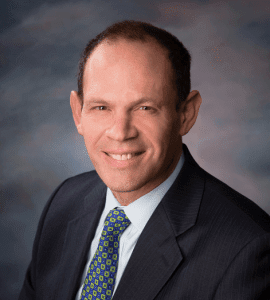
Bill Belmont
Bill Belmont was a trial attorney, investigative attorney, worked in law enforcement, and nearly became an FBI agent before starting his investigative firm. He jokes he founded The Belmont Group with one goal in mind: to make more money so that his wife wasn’t relegated to the ‘hillbilly’ lifestyle he enjoyed.
▶ Read the full transcript
Strickland Bonner: So your lawyer and your clients are squeezing you for lower fees. How do you put more cash in your pocket? We want to expose you to new ways of practicing law. Endless hours with no home life and a lease on an expensive office are so 1999. It's time to make a change for the better. Here to help you with that are your hosts Ron Bockstahler and Kirsten Mayfield. Welcome to the 1958 Lawyer Podcast.
Ron Bockstahler: Welcome to the 1958 Lawyer. I'm your co-host Ron Bockstahler,
Kirsten Mayfield: and I'm Kirsten Mayfield. And we have with us today Bill Belmont. He's an investigative attorney, and he's been practicing law for about 30 years. Aside from a brief stint as director of operations at Pinkerton Consulting Investigations for three years in New York, and that's what led him to create the Belmont Group. It was founded with the goal of bringing cost-effective solutions to sensitive corporate issues. But if you're pulling up LinkedIn right now, that's not the only thing you're going to learn about Bell. He actually also coaches various softball, lacrosse, basketball teams. So if you're interested in taking him to the court, you've got a few options. Bill, thank you for joining us today.
Bill Belmont: Thank you for having me.
Ron Bockstahler: So Bill, let's kind of start with how you got into your career, how you end up going to law school. Like, take us back to the beginning, and because you got such a unique background, we want to hear about it.
Bill Belmont: Well, like every Jewish kid in Long Island, I wanted to be a cop. No, so I think the influence was growing up. I really was taken back by action shows and watching the FBI story and Barney Miller with my dad growing up. So law enforcement is really where I heavily wanted to go. Also, like problem solving and analysis, which is a big part of what lawyers entail. And so, if I try to think back to it, I think by the time I graduated high school, I wanted to go into law enforcement. My first job as a summer job was going through the Yellow Pages. For many of you out there, the Yellow Pages is this book had people's names and phone numbers in it, and you had to go through it and find it. So I looked up a private investigator, and I just said, "Listen, I'm a college student. I want to just work for you for the summer. And that was really my first summer job as an 18-year-old. I think even my local town mayor hired me for an internship one month just to do some special project investigations for them. Then went off to college, played lacrosse at Bucknell, and studied political science. Ended up transferring into D.C. worked for the U.S. Attorney's office. Worked with a lot of the special narcotics cops in D.C. furthering my interest in law enforcement. Ended up getting a criminal justice degree in from George Washington University. And I remember when I was at Bucknell, Miami University came down to do a law school seminar. All this, you know, you came to a symposium. The law schools were there, and I remember going to them as a sophomore and saying, "Listen, I'm going to come to your law school. I'm going to be like Sonny Crockett from Miami Vice. I'm going to live on a boat, and I'm going to actually go to law school in Miami. So even back then, the influence of this TV was this is mom and dad's why you don't want your kids watching TV or TikTok. Although I do love TikTok, the so went to graduate that degree. Went to law school. Only jobs I applied for in law school I worked at was law enforcement. I worked for the NYPD's legal bureau. I worked for the Fury Commission on Government Integrity, and my plan was to go into the FBI. My last year of only job I applied for didn't apply anywhere else but the FBI. April of '91, my last year of law school, I actually got into the FBI, which was a lifetime pursuit. I've never been drunk, never been high, never spoken. I was like the poster boy for that job, as far as I was concerned, and I was cited. So they offered me the job. I went to Governor's Island. I finished the physical fitness test. Like, all right, you're going to Quantico. I'm like, oh, I just you know, I got three months left of law school, and I got to take the bar exam. I can't waste it. They said no problem. Finish law school, take the bar exam. You'll come in the fall. That summer, for those of you that remember, in '91 we had a recession, so there was a hiring freeze by the federal government. So that class I was supposed to go to got deferred. I missed out because I didn't go down in May. And it's funny how timing is everything in life. You know where they say I'd rather be lucky than I'd be good. So that really that changed the course of my life, and being that I love where I am today, it kind of worked out. So took the bar exam, did really well on that. First time ever doing well in academic test, probably because I was afraid. I was so afraid of taking that test again. I really just crushed it when I took it, and I figured this is great. I got a job waiting for me. The hiring freeze will be up in a few months. I went continued my private investigation work on the side. I started teaching in the South Bronx and underserved areas as a teacher because I loved working with kids, which you could tell from the coaching aspect to it. But then all of a sudden, in three months, six months, the FBI has started hiring. Well, I got to figure out something to do here, so I applied to the Bronx DA's office. At the same time, I applied to the Mesa Police Department, Arizona, for reasons I can't explain to anybody. I turned down the Bronx DA and went out to Arizona to become a cop, which I loved. Well, you know that's what you do in your 20s, by the way. Let's make this a life lesson for everyone. In your 20s, do whatever you want to do, because once you get to your 30s and 40s, it's all the same. So you got to take a chance. That's the time to do it. And I loved it. I loved being a cop. I loved my friends out there. Did about a year and a half. Finally, FBI started hiring again. Came back to New York to finish. Process, but they had changed in the recession. There were some lawsuits. They changed the criteria, so the three years' experience I had in law school got me right in. But after I graduated, I was recategorized and didn't have three years of consistent experience. So I no longer met that criteria. I have to wait three more years. I figured I really enjoyed being the cop in Arizona. I got a lot out of my system, so I looked for job, got a job in doing insurance defense trials. I handled all the investigative cases, the fraud cases. Did that for a few years. Figured this was a good life. Then I met my wife and thought, wait a minute, this is-I got to make more money. And I'm sitting. Hold on,
Ron Bockstahler: hold on, hold on. You're an attorney. You're practicing attorney.
Bill Belmont: Yes.
Ron Bockstahler: Meet your wife and say, I got to make more money.
Bill Belmont: Well, what I realized was I'm really like a hillbilly trailer park kind of guy. My wife knows that you know you give me an Xbox and a TV and some football games, and you won't see me again. So that's why I love people like watching these lotto games, these lottos like 750,000,700 50 million. Give me a couple million, I'm gone. I'm gone in my town on a ranch, living with Kevin Costner, filming Yellowstone people. So I just realized the problem with difficulty for lawyers are we're always competing with other lawyers, so like I was doing insurance defense work. Really, that has to come from the insurance carriers. It's much narrower nature. Now I love trials, and maybe I should have pursued that because I enjoy talking. And there's really that experience of being in front of a juror. So as I, you know, as I talk to you two right now, you talk to jurors, and they're supposed to be stoic, right? They're hearing both sides, and they go in the back. And there's nothing like getting up in front of that jury during your closing arguments, and you're starting to tell them what your story is, and then you start seeing them nod their head in agreement with you. They don't realize they're doing it. So that's like that's like being a a comedian or or a or a a rock star in a band to get them to see your side of it like that. It's a great experience. So I did enjoy that, but it was it's difficult. Insurance defense work, lawyer work is difficult generating clients until you get that going, and I just realized I was more people were calling me to do investigations while I was a practicing attorney. So finally, said to myself when I met my wife, maybe I should pursue this, and that's when I went to go into that industry full time. Went to Pinkerton for a while, and then opened my own firm about 17 years ago, and now we're a New York-based national, and we do international work also. But it's it's great now. All those lawyers who I was maybe competing with and not doing business with are 90% of our clientele now. So it is another great license. These guys that do personal injury work, where people slip and fall, I always used to think you actually had to find those clients. You don't. Lawyers are a great referral network amongst themselves. So whatever you do for a living, if you know other lawyers, like when people call me, they're like, "Bill, what kind of lawyers do you want to meet? It doesn't matter because unless you know Ray Donovan or Bill Belmont, you're not going to call them directly. So who are you going to call when you have a problem? You're going to call the guy that did your will. You're going to got to call that person that did your closing. You're going to call the person that did your personal injury action, and from there they assume. And lawyers are very good at that. I think people think lawyers we walk on water. It's amazing. Oh, there's a lawyer in the room, so it changes their perspective. And while I think that's overhyped, I will tell you something: lawyers are amazing at. Now, I'm also the president of my school board, so I see this when we do school board meetings when people come up and make arguments. Lawyers are very good at taking all this broad spectrum of information and narrowing it down to the actual issues. They're very good at saying this is the issue, and that's what's very helpful. And it's very helpful in my profession too, because being a former trial attorney and a lawyer, when I'm dealing with lawyers, I can help them. We can collaborate. I understand the issues. I know what the end result is. But lawyers are very good at that. They know what the real issue is, and then keep it relevant. So,
Ron Bockstahler: so we're talking. You know, our audience is basically attorneys. So the fact that you can relate to them, talk to them, kind of as they speak their language, is very, very helpful.
Bill Belmont: I think so. I think that's why I use the title. You know, back when we had business cards. So business cards were the things before COVID that used to people to tell them what you do, and now I've seen people out there with the the business cards on their phone. You could just text your business card, and it pops up there. So, on my business card, I use the title the Bill Belmont, the Belmont Investigative Counsel to Corporate America. So, I try to play up the fact that I am an attorney and investigator because hopefully that's a distinguishing feature that's valued, and I have found it valuable over the years when dealing with attorneys on cases and so forth. Yeah,
Ron Bockstahler: I think it's valued just because you can understand. You understand what it's meant to be a trial attorney. So you don't do advertising. You're not out there marketing. You're getting a lot of phone calls coming in. Those phone calls are from law firms or attorneys that are saying, "Hey, I got a client. I got a case. So tell us, like, what type of attorneys are calling you the most, and maybe guess a story.
Bill Belmont: I think the attorneys that call us the most are the litigators. I think the litigate because we're really called no one's calling me because they're having a party. It's not their baby naming or their daughter Sweet 16, unless there's a security issue and they're high profile. So the most part, there's some sort of adversarial relationship that people are in, and for that situation, they need us to come in. So whether or not they need to locate someone, maybe it's something as simple as you know locating someone because you need their witness statement. So I got a call right before we got on today. Someone has an estate case. There's a relative out there. They need to find that relative. I have a case with employees that signed a signing bonus and a relocation stipend for a company, which meant they had. Stay there for a year, and then after about four months, they decide to leave and scatter. I have to go find them, and you know, I'm really a life coach when I think about it, Ron. My job is to motivate people to do the right thing. That's that's what I do. I bring motivation to people so they can see the light and avoid the more complicated aspects of things, like the dentist who is being blackmailed by his dominatrix, not a great situation for the poor dentist. But I had to speak to the dominatrix and just motivate her to find somewhere else to go with her blackmailing activities and so forth. The best I have is when I have people around the country who have my client's property and they don't return it. I won't get into the legal aspects of that, but contractual they don't return it, and we have to locate them and try to find ways to again motivate them to realize that you know in the world we live in. See what's great about our business is when you email someone, right, or you call them, they hang up the phone. They're like, oh, you know, the guy's in New York. He's not going to. What do you think? Then the next day, my guys in those cities knock on your door, your sister's door, or your boss's door, and they have a conversation. That changes everybody's perspective on that. It just changes the whole way. We had a case once where someone owed money to a camp. Kids went to camp. They had money, and also I checked to make sure these are people because if they don't have the means to pay, going there and motivating them is not going to matter. And at that point, you have to find some other way to do it, but I did my research and I know there was no financial stresses. So I said to the client, "Listen, just send me the letter you send them asking for payment, and I want to find my biggest, most unattractive guy. I'm going to send them over there just to deliver the letter in person. So he goes to deliver the letter to this wealthy family that has a housekeeper that opens the door. He asks for mrs. Jones, and they say, "Sure, come on in. She's in the kitchen. So typically, we just hand the letter off, and that's enough. They actually had him come all the way into the kitchen. So I'm sure he made a great impression. Very polite and professional. Hands the letter. The person opens it up and sees that same thing you're always getting by mail. But now there's some there's like wow, there's a reach out and touch aspect to it. And of course, the next day they went and paid that. So, but we see that in all aspects of our society, right, Rob? Everyone's a warrior on Facebook, right? Let's sit behind our keyboard and talk trash and say what we want to say, but we don't have the balls to show up somewhere and speak to someone face to face to have that conversation. I see that as a school board president. Also, they'll never come to my meeting and have that conversation, but we're all heroes on that keyboard. So,
Ron Bockstahler: you know, I've only known you for this past year, and you know, I got a great impression of you. We talked several times. Feel like this is the kind of guy that I'd probably hang out with, if if you know there was the opportunity. But I I think back at a story where I was in New York and I was playing pool. I don't know if you knew, guy Walter Bransky. Have you heard of Walter? Maybe play hockey against him. Big guy, hockey player. He was actually my boss, and I worked in a company in New York. And we are watching this young guy, and not actually that young, but he brought on as a sales manager, and he's running the table and pool, and he's just doing great. And I look at Walter and I say, "Look, I got 100 bucks. Says he misses the eight ball, loud enough for the guy to hear me, and sure he's got a pretty easy shot right there in the corner of her side pocket, and he buffs it. And Walter's like, how did you know? I'm like, because you could look at some guys and know they don't got what it takes to pick up the phone and make the call or do what it takes to get the job done. And when I and I think of that story with you because I'm like, here's a guy that can get it done. He's going to be the guy that's say, I'll close the deal. I'm going to make this thing happen. So, you know, that's how I relate and that's how I think about you. So,
Bill Belmont: well, but I'll tell you, I would never hire anyone that hasn't played on team sports. I think the problem with everything I hear in our country now, when it comes to you know people saying right, left, whatever the issues are, notice how you don't see those issues on sports teams. You know they may talk about the external issues they have on things they think can be done, but they're not looking at each other and doing that. You know that goes because the mindset, and I raise my kids that way. You know, I raise my kids to understand this. I never ask them to score after a game, and I never ask them what their grades were ever. All I asked them was, and I trademarked this to anybody listening. I've already trademarked what I'm about to say, so good luck taking it from me. I always ask them if they hopped. What do you mean? That's all I said. Game is over. Did you hop? Test was done. Did you hop? And that stands for hard work, organization, and preparation. If you do those things, you will be successful in life. Those things will make you successful in life. And so you look at teams and what teams are doing. What's the two things they talk about? Accountability and consequences. Accountability and consequence. That's what we're missing. Those. It's always somebody else's fault. It's always something else. So you bring that approach to people, and I think people understand that and they appreciate that, and it's a huge part of what I think leads to success. And that's what I like to bring to my business. We like to bring even with clients when I talk to lawyers. Give me an example on. We do it back when you say, "Hey, this Mayfield person, litigation adversary. I need to know more about her, or whatever the reason maybe. Maybe it's a business deal. Lawyers call me all the time. Hey, we're going to make an investment in this person. We're going to invest with this person. That's a that's 70% of what we do. Tell me what we can do about that person. I tell my clients typically the first phase of that two to $5,000 You should have enough money. Now think about this: two to $5,000 I get calls on 100 million dollar deals that go bad because I never did that beforehand. 100 million. Dollars on a deal that nobody bothered to get about. Went for two to $5,000 and sometimes a Google search would tell you not to do business with that person. But I always try to tell young people in the profession, both lawyers and investigators, and I go back to my law school and I talk to, I try to mentor as much as I can. Never chase the dollar, chase the relationship. So I'll call up that lawyer. He's like, "Oh, Christine, I go listen. It's two to $5,000. I go. He goes. Well, I don't know if that's you know. I don't know if I want. I'll tell you what, pal. I'll do the work for you, and then you pay me whatever you want. Goes. What do you mean, Hank? Yeah, I'll do the. Listen. If you're never going to call me again, what do I care? Well, I'm going to screw you. You're going to screw me on one case that's going to make a difference in my life or my business. No. You have to be comfortable. I want to be the guy you call every time there's an issue Call in the morning. Listen, the best advice I can give anybody is the first call in the morning, the last call at night should be to me. If you're talking to me in the morning at night, then you're not going to make any mistakes. So every time I say that to him, he goes, "How can you do that? Because what do I care? I need you to be comfortable now. And then to tell you that approach works so well. I have cases with clients who are like, "You can't bill me that. You must build me more. My client, my boss, will not believe you're good if you and say, "Hey, Bill, listen. It's a different type of case. Can we change the rate? Because I love these global rates we have as lawyers. Numbers. Some lawyers worth $1,100 We told who's worth $1,100 an hour to do that work. But that's our profession, and that's. But COVID's changing that run. Now people, a lot of that $1,100 goes to because you're paying a lot of real estate. You're paying for your lease. You're paying for all that property and technology. I'm seeing law firms, clients of mine like Bill. We're done. We're realizing this work from home thing. This model is great. And for those people that want to go into the office, instead of having 40,000 square feet, now you have 15,000 square feet. Hey Mayfield, you want to come in? Come in. You can collaborate. If not, it's a whole new world out there, and it's it's especially in New York City, where it's just not a pleasant place to be right now. COVID's the least of its problems in New York, so.
Ron Bockstahler: So, Bill, let's paint a quick scenario for some of the attorneys that are listening, and maybe a case. Like I'm a family lawyer. I got a divorce case, pretty high profile, big money. Shoot me the scenario of they should be calling you to say, "Hey, we need to get some investigation. You know, maybe there's a story you could tell
Bill Belmont: us. The well, here's okay. So here's the story of the problems with the matrimonial stuff. First of all, in New York, it's a no fault state, so nobody really cares why. So what happens with the matrimonial work is, and what and the matrimonial attorneys, I know this. I I don't like dealing with them because you can't provide a rational solution to an irrational person, and that's the problem with the matrimony case. I have video of for a husband who hired us. The wife with a business colleague is walking down the hallway in a hotel with her business colleague, male, and the male puts his hand on her lower back and just rubs her lower back and does that thing we all do with our loved ones, where he just puts his hand under the shirt to roll the lower back, and they go into a room together. Pretty much tells me if that's my wife, my marriage is over. I don't really need any further explanation of that. We're done. But of course, this guy, no, that's not enough. Oh, they were just-they were what? Well, they were what? Well, what do you think they were doing? Were they going to play lotto or something? I don't understand. They-they're preparing their chess game, and he's warming his hands up first. So that's the problem with the matrimonial from the investigative side. Typically, when that happens, it's a question of assets. That's what they'll call us for. Bob and Sally are getting divorced. Sally thinks Bob's hiding the assets. Where are the assets? So we have to look for his judgments, his liens, his other properties. You may have to do surveillance. Is he going to walk into a bank you didn't know about? Then you can subvene to that bank. Is he going to an office to work somewhere? Are there people you need to talk to about it. So, if you're going to choose that scenario, Ron, and back me into a corner in the most unpleasant aspect of the investigative world, it's that, and it's so bitter. And that's why I love Wedding Crashers. It's my favorite movie. But if you watch the beginning of Wedding Crashers, the first minute, you'll just see how they bicker over the most, and that's what it's like. And so, a lot of times they don't need it for that, but we may be the ones that find the things that they start to bicker about and deciding where that stuff should go.
Ron Bockstahler: All right, so let's make it fun. I know Kirsten's dying to ask Ray Donovan. Is that real?
Bill Belmont: No, it's very funny because I joke around in my Zoom meetings and I changed my name from Bill Belmont to the real Ray Donovan, and of course I'm in a Zoom meeting where one guy's like, "Oh, we consulted on that show and and so forth. So I mean, there's technology out there that's more interesting. Obviously, we're not going to do anything illegal. You know, you don't get phone records anymore. Phone records used to exist years ago. What better way to know what someone's doing than get their phone records? There was a huge scandal with Hewlett Packard. You don't touch certain things like that. Cell phone pinging works great for law enforcement, not in our sector. You can do GPS in certain states where the jurisdiction allows it, and so forth. But sadly, you know, I do say even as Kristen mentioned on my LinkedIn profile, there's situations people get in where they're not sure if they should call 911 and we do have to help them unravel that. And many times it's because, again, I don't think people communicate well. And one of the things I always love to say, Ron, it's the number one cause of failure in all business, personal, and social relationships is poor communication. You end up in these situations you've never been in them before. You have no clarity to it. No, no. I like to say, you know, it's Captain Chaos. I joke around with some of my clients that I do crisis management with. I'm not Captain Chaos because people just don't know what to do in those situations. They're just panicking, and they're not seeing clearly. And you have to come in and bring some clarity to that because you're comfortable with that. Like I delivered to my daughter in a car on the way to the hospital, and I didn't bother me at all. I had no. We pulled over to a gas station. Her head popped out. We deliver, and that was that. I was down there on 911 You know, it's funny situation with chaos. I feel comfortable with, but if I have a cut on my arm and I can't tell what it is, I'm running to the dermatologist. What is this? What's wrong? What's happening? So I think a lot of times, you know, in situations we get involved in, like like the dentist with the dominatrix. You know, he got into that situation. He wasn't sure. I had another situation where a gentleman's daughter was being catfished. Someone she had gone to high school with had taken her identity, created an online relationship with a much older person. That guy thought it was suspicious. He backtracked somehow, matched the photo up with my client, started going off on my client. She had no idea what he was talking about, so we had to unravel that situation. Also, so
Ron Bockstahler: that's an interesting one.
Bill Belmont: Yeah, catfishing becomes it. It was great. No, that that was like I'm not sure that was that way. Don't even like. So what happened was, so two girls went to high school together. One was very attractive. One was not. The one that was not attractive took the facial identity of the one that was. Went online created a relationship with a guy on another state who was like 15 years older. They had a relationship. She told him all kinds of stories. Somehow he she wouldn't meet with him though, and she wouldn't FaceTime him, so he got a little suspicion. So he went online. She knew what she went because she used all the same identifiers: what high school it was, what year it was. He went online and tried unraveling all this, and somehow was able to get someone to tell him who that face was. He called that person up. My client goes like, "I can't believe you did this. You know what happened? And she's like, "So to her, she thought it was a stalker. So originally, they got me involved because they thought it was a stalking case. I then figured out after talking to him what was going on. Then I had to go, unfortunately, to this young lady who I felt bad for-the one that had committed the catfish and so forth-and she was a student at a university. And I tracked her down. And also in our industry, before you talk to someone, as lawyers do before they have a decision, you want to know everything about them. You want to make sure, like I joked around, my son's at Michigan, go blue, and Bayfield's at Michigan State. So you know you want to just know little things. So when you talk to someone, you know little things, things that are not that hard to find out. It lets them know you know what you're dealing with. So when I spoke to the young lady who had committed to catfishing, she was at a university, and I tracked her. I knew she was home and a parent with her mom. So I called her on a cell phone, and which, by the way, I got legally because you don't want to mess with cell phone records. You know, people call all the time. Can you get those? You don't mess with records. I said, "Hi, Susie. Listen, I'm investigating this situation involving so and so. I know you're home with your mom now. I'd like to talk to you. Tell your mom that you witnessed an accident at school, and I'm just investigating the accidents, and I just want to know what you saw. And tell your mom that, and come outside and talk to me. So when I was being nice to her, she came outside, and you know, and I said, "Listen. And then that's where you get to the Ray Donovan stuff. Listen, you tell her things you know about him. I could have gone to your boss at school, right? I could have called you, knocked the door, and told your mom, "There's all these things I could have done to expose what you did, but I don't want to do that. There's no reason to do that. I don't judge you. We all make decisions in our life Let you know that you really need to no longer, from this day forward, utilize my client's likeness or identity in a way. And then I use like those crazy. Like I said, if you even dream of that happening, I need you wake up, call me, and apologize that you had that thought and going away. And I always love that line you see in the movies too. And please don't mistake in my kindness for weakness. Clearly, there's a lot of different ways this conversation can go, and she was very appreciative. I think most people are appreciative no matter what mistakes they make, unless they're associate. But they appreciate the fact that you're doing that. Like the scenario I told you earlier, those people who wouldn't return my client's property and they have those agreements. 90% will end up doing it. Other ones are drug addicts. Other ones have already pawned it. Other ones are gambling addicts. I'm not getting anything from them. They're not going to be able to return the property. So what's the point of berating them? At that point, you explain. Listen, it's going to be litigation where you can enter into a a payment plan and do that part of it. Bat. So I think if you see, if you really see, that's what we were in our industry. We are experts, and that's why I studied sociology in college. We're really experts on human behavior because understanding people is how you get them in investigations to give you information and to comply.
Ron Bockstahler: So, besides doing investigations, you actually conduct a lot of CLE classes pre or what's the word before something happens. You're right there to consult. Talk about your consulting services.
Bill Belmont: So, are you talking about in for investigations or security consulting or crisis management? I think
Ron Bockstahler: I'm referencing security here.
Bill Belmont: Right. Security comes up mostly. What we're seeing now, although COVID's put an impact on that, is workplace violence situations. You have employees that are upset. You know, it's still one of the biggest issues in corporate America that fear about workplace violence, and it's not just the employee who got laid off, the female employee or the male employee who may be the victim of domestic violence. You see a lot of times, these affairs that take place, and you see the suicide. Someone comes to work, kills the boyfriend and the wife, and or the girlfriend, and has those type of situations. So, we try to consult as often as we can when those situations have. Listen, you have to train employees. If someone comes to work with a beard every day and they're nicely dressed, and they shave one day and they're disheveled, there's there's something going on that you want to. Attention to those type of things. So you want you want people to be aware of their staff and be aware of their employees, just like we would in coaching, right? We know who our players are. We know when something's different and so forth. And one of the things I like to do that's a little bit different is when we do have a situation where employees laid off and they make a threat, or they just make a threat because they're unhappy with a raise or their assignment. That will trigger a threat assessment of that individual and of the workplace. You may have to put personnel at the workplace to secure it. One of the things I think everyone should do, what they don't do, is I like to do surveillance on the threatening employee because it doesn't help to protect the fort if the bad guys show up and you haven't known about it. Why not follow that guy on Saturdays? He coaching his kids the little league team, or is he getting drunk and going to Dix and buying a rifle? I mean, those to me would be valuable insights to part of the overall picture of understanding what the threat level may be and how long to keep that out there for.
Ron Bockstahler: So, so yeah, stupid question, I know, but so you're talking physically following someone, you know, the binocular sitting in your car. This is what we're referencing.
Bill Belmont: Yeah, sounds glamorous. Let me tell you something. When I was like 21 years old, we sat in front of a house in Queens in a van with my buddy Mike, the guy who hired me, who I'm still working with today, when I was like 20, 21 years old, and it's always nice to have two people. You cannot file one person in New York or Chicago, right? If someone comes out of the building and they're going into the subway, they're taking an Uber, they're walking, you just can't do that one. So we had to do two of us. We're in a van which has a cutout in the back of it, so you can relieve yourself after 12 hours because you can't leave where you are. You got to bring your sandwiches. It's a 12-hour drive, and everyone's like, "Oh, that's exciting! It's exciting! It's not exciting! First of all, the person came out, went to the corner, got ice cream, and went back home. That's what we did for 12 hours. And now imagine you're in an apartment building, an office building in New York, and the only description you have is there. You know, six-foot white guy with a beard and a hat. Beard helps a little bit, right? But for the most part, without a picture, how are you supposed to pick that person out? So you have to try and find a photograph first. You have to do the logistical setup on that. Maybe there's three access points to that building. So we're on one today. We're doing one today with a person who's a former employee signed a non compete. They went to a new employer and they can't work in a certain jurisdiction. So we just got to follow them and make sure they don't end up going to places they're not supposed to go to, and then document the fact when they do. But it's so much harder than people think. They just think it's like TV. TV gives you like 30 seconds of the driving. Oh yeah, we're fine. Oh look, we drove. They started driving, and three hours later, they just showed up one. Oh, Ron likes good stories. Here's the best one. I'm surveilling. We had years ago, back when a competitive, intelligent employee was taking information, intellectual property from the company and giving it to someone else, and they couldn't tell who. So it was a Jersey company, and we had to do surveillance. And they thought this was a day based upon information and emails they would be meeting with someone. So we show up at the location. Lucky enough, we had three cars, two guys in each car, because it was a big enough case to justify that. The other thing is, when you do these things, you want to have a change of clothes. People are oblivious, by the way. You know, you see this all the time. I can walk in anywhere. I can go to a construction site. I can probably walk into the white people. You just act like you belong. That you dress the right way. You can do it. So you can really follow most people, unless they know they're being fouled. And we will do counter surveillance of people to see if they're being fouled in certain cases. But they don't know. So if you just wear a hooded sweatshirt and then change, take your sweatshirt off and put a hat on. They'll have no idea. There's so many ways you change it up along your way in your outfits. So this this guy comes out of the office, out of jersey, and he drives to the gas station. And he this is years ago now. He pops the hood and checks his oil. Now my heart drops. Like who the hell checks the oil? Where's this guy going? So I panic. I check my. Make sure you have your cash. Make sure you have your toll money. Make enhanced gas, and everybody have everything. Because when you have a car surveillance, you have all this opportunity to carry stuff. Short end of the story is five hours later, we're following him into a hotel in Virginia, where we met with the person. So imagine what that's like. You have all those guys, all those billable hours. Imagine you don't end up finding out where he's going. How you explain that to the client? So you always make sure in the investigative world, you're paying for the time, not the results, because anything can happen. It's very difficult to do it. So if that was a that's six hours of work, right? If that was a TV show, you'd see us in the beginning, and then like 30 seconds later, you'd be pulling into the hotel in in Virginia. They'd be like, "No problem. Don't worry about those red lights and the traffic and the intersections and so forth. So somebody makes three right hand turns, you know you're in trouble because nobody makes three right hand turns. It's a circle. That's how you know you're in trouble.
Kirsten Mayfield: So I want to go back to your consulting and your your leadership skills because it sounds like you're the kind of guy someone wants to call, but you also are trying to give people skills to become that person as well in a little bit of a sense.
Bill Belmont: Well, it's funny because I joked about you know I do do on many times it is it's it's leadership or life coaching people because you end up in situations with someone like for instance the scenario with this poor dentist or with the dominatrix and I explained to him listen maybe this is something you should come clean about why suffer the blackmail if you haven't had an intimate relationship you can explain that to your wife there's a line you didn't draw. There's something you had in the secret, and so forth. So maybe there's other ways of doing it, or divorce cases too. And I've done this numerous times with, typically more with females. Only one male, more females. Explain to him. Listen, is the marriage over? So why are you spending this time and energy in your life focusing on who he was with or what the point is? How can we get. To turn the page, how do we focus on getting you ready to move on to the next thing in your life? And that's where I study mindfulness and a lot of what I mentioned earlier about sports and understanding what's important in life. You know, so much giving examples. So when I do these presentations that you're referring to, or I think you're referring to, I walk into a room and I'll be like, "Oh, there's my buddy. You know, let me begin by saying, "There's my buddy Ron. That's my boy Ron. I love Ron. I care what Ron thinks. Mayfield, Michigan State girl, but I still care very much with these things. And I'll say, "What is your name? John. John, I don't know you, but I care what you think. But you know what I don't care about? I don't give a crap what you think of me as an individual. I'm going to live the life I want to live, the way I want to do. And so many decisions people make, whether it's in these poor situations I get into investigatively. There are other aspects. They're so worried. What will they think of me? What will I look like on Facebook? What's the world going to think of me? They're always trying to make somebody else happy. You know what? You're always doing that. You're going to keep changing. You'll never be who you are. If you're making yourself happy, at least you're guaranteed there'll be one person who's happy. So, so many times I see that with people. They listen. Be who you live. You. What's a great line? Is you know it's your life story. Don't let anybody else write it for you. Life, and you realize that as you get older, it's not as clear to you in your 20s. But you get to be the double nickel like me, and you you know my wife always said the one characteristic she wished she had was that skill set I have, where I don't care. Now the thing is, I get away with it because I believe I live a righteous life. You know I I like to think I'm making the world a better place. I want to leave it better than I found it. I put a lot of time into that, so maybe it's easier to justify my mindset when I'm thinking, "Yeah, I don't really care what you people think of me. You can tell by the way I dress, I'm not that concerned. But
Kirsten Mayfield: oh, we're not going to reveal that information. How you're dressed?
Ron Bockstahler: Look, we brought you on to talk about you know practicing law. You're investigative attorney. you're investigating practice, but you know you said it earlier, life coach. That kind of sums it up.
Bill Belmont: I do, and that's why I love coaching football to make a difference in the lives of these young guys. I'm telling you, if if if we would run politics and organizations the same mindset we run athletic teams, it's next man up. You can have the best player on your team go down. Nobody's whining about it. Nobody's figuring out the next guy. I hate when people talk about problems. Mike, I get on these phone calls with clients. I just sit back and let them keep talking about it. All right, guys, you're paying me. It's an hour now, and all you've talked about is the problem. I made an I made an hour's worth of billable time. We haven't begun. We know what the problem is. Can we start focusing on the solution? You don't have that crap in sports or in the military, which is also a very similar model. It's next man up. Let's get it up. Your best player goes down. Put the next guy in. He may not. We don't talk about the fact. Well, he's not that good. His outside shot's not that good. He doesn't block really well. It's a non-factor. It's just the best. You do the best you can. You do your job. You know, in football, there's 11 guys on the field. If every single one of them does a job, you don't worry about the guy next to you. Don't worry about what the guy in the cubicle is doing next. Don't worry about what she's working on with her brief. You do your job. She's doing the research. You're going into court. Just do what you're supposed to do. Stop worrying about everybody else. Control the things you control about. That's the other one, right? You get a case with someone. You don't control that part. That's your. You can't do that. But what can we do? What can we be the best version of ourselves in this case? You know, I can spew forever on that. I just, you know, here's. Let me give you a quick one. You love this. I did one of these presentations that somehow Mayfield's got me talking about. And after I did, this was to some lawyers. And afterwards, this woman came up to me, and again, I was talking about how important sports are. And this is one of the best things about athletics, team sports. She comes up to me and says, "I just want you to know something. My first year as an attorney in my office, I cried the entire year, I kept getting criticized. I couldn't handle it. I wasn't good enough. The work wasn't right, and I cried. But my sons all play football, and they will never have that problem because every day in football practice, I tell a kid, "You're not fast enough. Get fast. Cut this way. Cut this way. Do that. Do this. They don't whine about that. They just try to get better because they understand it's not a personal thing, and she realized after seeing what her kids went through, she cried for a year. They weren't berating her personally. It's your job. Get better at your job, and so that mindset. Everyone, so that's a great thing about teams. It thickens your skin. This culture now, this generation growing up. Do you know some many teams around don't have captains anymore? Let me tell you, most they're in no cap. We cannot find kids to speak up for themselves or self-advocate. And I met a guy from I'm not going to tell you the military branch, the military branch, and we were having this story. And he goes, "Holy crap, Bill! I've been assigned to do the same thing. We can't find leaders from this generation coming up. They don't know how to speak. They don't know how to talk to boys and girls because they text. But you put them in front of people. They don't want to call anybody out. You know why? Because everybody has to like me, I need a like, I need a thumbs up, put a smiley face on my post. So that's what life's about. Instead of saying what's the goal, what's the task, and that's why if you think of the mindset, if you if you pay attention to what the military does, to what team athletics does, it's that understanding that you're not important. The organization's important. The sum of the organization is more important than any of its parts, and that's a mindset we just don't grow up with. In a in a YouTube, I thought about this the other day with my teenager. Do you know that teenagers today probably know the names of more social media personalities than they do politicians or news broadcasters? Think about that. Maybe even maybe even actors who ever. Everybody can throw out the name of an actor. That's all they do. So they think that's life. The social media person is someone whose only characteristic is able to dance or alter their face to do something on a social media website.
So Ron Bockstahler: that's that's disappointing. Hey, let's go. You hit on a topic I'm very passionate about, and that's mental illness, and and specifically in the legal environment, so many attorneys are there. You know, alcohol addiction. There's so many things that are negative. What's some ideas, some solutions that can help relieve the stress of practicing law?
Bill Belmont: Well, I do. You know, let's say this: I love the legal profession. I can't stand when people talk about, oh, I'm a recovering attorney. You know, buddy, that's your your problem. The legal profession is an amazing profession. I have friends I grew up with and went to law school with who are doing 1000 different jobs now. I'm an investigator. They're in finance. Some have their own businesses. But the one thing that's great about the law is that thread runs through everything you do. There's nothing you do in life, professionally, that doesn't have some aspect of the law to it. So it's some great creativity. The one thing about that, there's some friends that feel that way, and COVID has hurt a lot of people that way. You know, it made sometimes a little difficult for them. They got to be flexible and modify those. Remember, you could be a real estate lawyer. It doesn't mean you can't go into trust and estates. You can learn that skill set. You have, you know, if you're a good enough athlete and you're a football player, I'm not saying you'll be professional basketball player. You won't be the the best trust and estates lawyer, but you can modify what you're doing. You know, you have to put yourself in the right situation, and I've just seen too many people do that. But you have to be comfortable doing that. You have to say to yourself, "I'm going to make that thing happen. And I think mindfulness is a great thing. I think mindfulness is a philosophy we teach in our schools now. Be aware of what's going on today. When you're stressed as a lawyer, you know, hate to say, call my wife out on on a podcast, but like we'll be doing something on Saturday night, and she'll be stressed about a deposition on Monday. I'm like, babe, that's Monday. We're here now. Focus on now. And so, a lot of times, when people feel that anxiety, go outside and take a walk. Make sure you exercise every day. You know, and the reality is, things really do work out in life. But you just can't sit back. Nothing good happens when you're staying home. I guess before COVID, that was especially you have to create those opportunities for yourself. I mean, as a lawyer, you can do that. You just it could be hard, and just because it's hard doesn't mean you can't work out. But I think that mindfulness, being aware, you know, when you're eating a meal, just enjoy the meal, enjoy the people, chew that food like 20 times, be aware of the person around you, listen to the music and then look at the paint on the wall, pay attention to that stuff, get your stress level down a little bit and come up with a plan. And know what the other thing is? Just keep moving forward. You have to create. You know, again, I hate to use it, but I'll use again. The military will tell you inch by inch. You know, in football, you have a problem. You're stressed at work. Don't get overwhelmed. Make a list. Pick one thing you're going to work on this week. One new LinkedIn contact. One new client. Go back to your old clients. You just if you have a plan, you feel like you're in control, Ron. They get very stressed, and that mental because they don't feel like that you do have control. You just it seems overwhelming. Break all that overwhelming down. Pick one thing at a time and just work towards that. It
Kirsten Mayfield: seems there's a really simple theme here, and it's just to take action. Every time you talk, you're giving these scenarios in different ways. People are not taking action. They're either they're overworried about what the game plan is, or they're worried about what would happen if they were to take action in that way.
Bill Belmont: Correct, and it's it's very true. And again, I get that from the mindset of my father was a World War II guy. He was in the Navy. I wear his ring ever since the day I lost him. I took it off his hand, took it off his cold hand hands. He and I were always like Joe Granze, and that's the way I was raised. You all, I say this phrase all the time: keep moving forward. I'll finish a board meeting with the COVID, the stuff I had to go through as a board president. What my whole board's going through. How do you bring the kids back? You know, just keep moving forward. No matter what this is, you got three guys down. You keep moving forward. Works bad. You lost that client. You keep moving forward. You screwed up that one case; it's okay, fix it. You just keep moving forward. You keep moving forward. I love country music too. There's a great country song that says, "If you're in hell, keep on going before the devil knows you're there. Kind of paraphrase a little bit. But if you keep moving forward, you get through the storm. You get through those hard times. It's when you waffle, Ron. It's when you're stagnant. When you're just staying there and wallowing about it. And what are you doing when we talk about? You're talking about your problem. We know what the problem is. What's the solution? The solution gives you hope. It gives you faith. And if you hop, you come out of that. Always.
Ron Bockstahler: We need to start wrapping it up. Can you take just a few seconds and what do you want to leave our listeners with as far as the Belmont Group?
Bill Belmont: I was going to be with more life velocities. I've been dropping rhymes all day. No, I just you know we're we're a New York-based national investigation firm, and we're about relationships. As I said, we're not Jason Dow. Don't be hesitant to call us up. You have a situation you want some guidance and some advice. We're happy to help you figure that out. We try to bring a whole picture approach to what you're doing, and we're about building relationships. As you point out, we don't do a lot of social media. We don't do advertising. We're like 90-5% referral. People hear about us and they send us work, and we're happy to work with them to help them with something. But calling us is not going to end up with a billable time. We're happy to work on any issues you have, and we're also very well, very well situated as a resource. You know, my buddies joke around the GTG. I'm the go-to guy. So if you need someone, something in the country or sometimes out. Example, Ron. We one of our groups wanted a guy. He needed an attorney in Dubai to work on a case in the Abu Dhabi, Abu Dhabi. So I was able to find him six different guys to go through that list with. So we'd like to be there. We have to help you. We want to be your resource. We want to be your trusted advisor for whatever you may need.
So Ron Bockstahler: thanks, Bill. You know we like to leave with the final question, and generally that question is, what's the one thing you would like to see changed in the practice of law, the business of law? But I'm going to make an exception to that question. I'm going to change it up. I'm going to give you a problem, and I'm going to give you 30 seconds to give us a solution. The problem is Harbaugh.
Bill Belmont: Where? Which one?
Ron Bockstahler: Michigan.
Bill Belmont: Wow. They'd have to. That's very simple. I have 30 seconds. I could be like that guy on that game show, wait until 29 to the answer. It's very simple. Nice guy, but I'm available. All right, I could work for Ann Arbor. Listen, I'm a huge Jets fan. I'm a fanatical football guy, and with all due respect, Adam Cases, he didn't have a winning record when he was in Miami. So you know, how long do you keep a guy until all of a sudden he has a winning record and so forth. And you only gave me 30 seconds. I can get into breaking down my thoughts on an offensive line and how that is the most important part of the team. But the easiest way to fill my 30 seconds is say I'm available. I work for a lot less money. That's all I can tell
Ron Bockstahler: you. I think yeah, I love football. My son-in-law is out in California and he wrote for Bleacher Report for years. And every time I fly out and hang out with them and visit my grandkids, he's spending, you know, from 10 p.m. to 2 a.m. explaining to me why this quarterback is worth that much money, and he has stats up on a big screen. And I'm thinking, are you kidding me? But he's so into it, he breaks it down. He's a great writer, Chris Hansen. Anyone wants to follow Chris Hansen? He's a other than the fact he's a Raiders fan,
Bill Belmont: but that's why you know football. Why for people like me who ADD and don't like to sleep and can't let our brains ever stop, that's what's great about football. When I watch film, there's no end to film. You remember, there's 11 guys on the field, and every play you'd have to watch the film 11 times to see what every person's doing, and there's no end to it. You know, it's obsessive. It's like you know the fact I don't drink or smoke is mind-boggling, right? But that is why football is just the greatest thing.
Ron Bockstahler: Awesome. We've been talking to Bill Belmont. Bill, what's the best way for our listeners to contact you?
Bill Belmont: Send up a smoke signal. We'll find you. The Belmont Group. You can Google it, or the website is the Belmont GRP. I think some car dealer named the Belmont Group in Texas took the full Belmont Group, so we're the belmontgrp.com and happy to help you out.
Ron Bockstahler: Bill, thanks for joining us on the show today. We really appreciate having you. It's been great talking to you.
Bill Belmont: Thanks for having me.
Ron Bockstahler: You've been listening to the 1958 Lawyer. I'm Ron Bockstahler. Thanks for joining us, and we'll talk to everyone again next week.
Strickland Bonner: Thanks for listening to the 1958 Lawyer Podcast. If you like the show, tell a friend, and please subscribe, rate, and review us on Apple Podcasts, Google, Spotify, or wherever you get your podcasts. If you'd like to hear more about Ron, Kirsten, or Amata, go to amataoffices.com All the links are also available in show notes.
The 1958 Lawyer is produced by Amata Law Office Suites · 312.924.0200