
Kendra Spearman: Dismantling Systemic Inequity, As a Lawyer and Citizen Alike
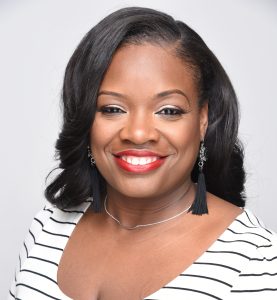
Kendra Spearman
Kendra never envisioned herself becoming a lawyer, per se. Like becoming a minister, earning her J.D. and opening her law firm became a way to drive positive change within minority communities – improving access to justice as an agent inside the system. Recently, Kendra also launched The Justice Renewal Initiative, a faith-based non-profit also supporting her singular goal through alternative methods.
Visit Kendra Spearman →▶ Read the full transcript
Strickland Bonner: So your lawyer and your clients are squeezing you for lower fees. How do you put more cash in your pocket? We want to expose you to new ways of practicing law. Endless hours with no home life and a lease on an expensive office are so 1999. It's time to make a change for the better. Here to help you with that are your hosts Ron Bockstahler and Kirsten Mayfield. Welcome to the 1958 Lawyer Podcast.
Ron Bockstahler: Okay, welcome to the show. Today we have Ron Bockstahler.
Kirsten Mayfield: I am Kirsten Mayfield,
Ron Bockstahler: and today we have Kendra Spearman joining us today. Welcome, Kendra.
Kendra Spearman: Thank you, Ron. Thank you, Kirsten, for having me.
Ron Bockstahler: Absolutely. A little background, Kendra. She founded Spearman Law. She is a civil rights attorney, and she is the founder of the Justice Renewal Initiative, a faith-based nonprofit that is dedicated to criminal justice reform. Kendra, let's just start with you. How did you choose to become an attorney? Take us back to the beginning.
Kendra Spearman: Sure. So you know, in undergrad, I was interested in psychology. Went to grad school for nonprofit management. Had no idea I wanted to be a lawyer. Like most people, when I thought of the law, I thought of just like you know the normal courtroom drama, TVs we see. You know, just growing up, and so, I was introduced to an issue doing some community service work with the way that public education is funded in Illinois. And you know, long story short, it creates an issue of de facto segregation. This is not an instance where there's a law that explicitly, you know, says that okay, all black kids go here and all white kids go here, but the effect that the law has causes a racial disparity. So in short, in part, education funding is based off property taxes. So you have students that live in richer, more affluent neighborhoods; they get more funding for their schools than kids that live in black and brown neighborhoods. So the quality of the education that one gets is determined by your zip code, and so that made me upset because I grew up in a poor single parent home, and education was my lifeline. So when I, you know, start to research that issue, I noticed that there were a number of issues that create racial disparities, and that got me interested in law school, and that's how it all got started.
Ron Bockstahler: Did you grow up in Chicago?
Kendra Spearman: I did not. I grew up in Memphis, went to undergrad in Arkansas, and I moved to Chicago to do grad school. So I'm not originally from here.
Ron Bockstahler: So we should also add. You mean you got your undergrad degree in psychology? You went to DePaul, got a master's degree. You went to Christian ministry to get a theologically degree.
Kendra Spearman: Yeah,
Ron Bockstahler: saying that right.
Kirsten Mayfield: You're an active minister, aren't you? I
Kendra Spearman: am. I am, and that's a lot of what fuels my passion for this, my Christian principles of compassion, forgiveness, and mercy, and not seeing that in the criminal justice system and in the legal system, knowing that I serve a God that is concerned about the poor, the oppressed, and the marginalized. So that's a lot of what motivated me to get into this area.
Ron Bockstahler: And then after you did all that, you went and got your JD at Chicago-Kent in Chicago.
Kendra Spearman: Yeah, I actually did seminary school and law school at the same time.
Kirsten Mayfield: Nice flooding
Ron Bockstahler: for punishment. Here I was thinking I got good at getting out of my undergrad. Okay, how do you do law differently? Tell me a little bit about your law practice. We'll start there, and what do you do different. What motivates you? What keeps you going?
Kendra Spearman: Yeah. So, in addition to just my Christian principles that I've just talked about, just seeing that there is a need for people that are poor, and when everybody thinks about you know retaining a lawyer, you think about this enormous retainer, 1000s of dollars, and the reality is that most of my clients couldn't even pay, you know, for you know one hour, you know, of my time if I were to charge what you know the average attorney charges. So the way that I do things differently is I try to help people that can't afford attorneys, and very often the people that need the most help cannot afford the attorneys, and what I've discovered, you know, especially in the area of criminal defense, is that very often they have the most viable defenses. And what ends up happening is, if they can't afford a gun or they can't afford a lawyer, they'll end up just taking a plea deal. And even if they could actually beat the case, and that ends up just you know with a lot of collateral issues in terms of employment and mental health, and so that's one way I do things differently. I try to figure out a different approach because most people cannot afford a lawyer.
Kirsten Mayfield: Do you find that the law allows you to do that? I I know that Illinois has that. Oh, and the name is a. But you probably know where you can hire an attorney for a very like specific task if you can't like afford them for the entire legal process. Do you find that like the the law is preventing you from kind of trying to like help people and bridge that like what is called a legal justice gap, or is it working against you? Like you kind of like you're speaking about it, allowing segregation through like foundation, not not directly, but by building a foundation for what can allow like that problem.
Kendra Spearman: Yeah, definitely. And issues like that, mostly it takes place in civil litigation, where where a client can kind of hire an attorney just for like limited scope representation, but in the world world of criminal defense, that's very very hard, and I've never seen it happen. And to answer your question, yes, because like a lot of the issues, it's so complex. We could talk about it all day, but one of the issues that I talk about most is that how much time it takes to go back and forth to court just to come to court and realize, for example, that the state's attorney does not have the video footage, and we have to come back next month. And so this causes issues because if my client has a job, they're missing work. For me, it's hard for me to continue to do this stuff that takes up my time if I'm not being adequately paid, so yeah, it's it's this huge tension with some of the systemic issues that just exacerbates matters, especially when you're doing it for free or low cost. So definitely, there's a whole issue there.
Ron Bockstahler: And I don't want to downplay what you're doing, but how do you make money?
Kendra Spearman: Yeah, so because I'm a civil rights attorney, in addition to my criminal defense cases, I do take civil rights matters. So that includes employment discrimination, police misconduct, and when those cases settle, even though they take some time, they tend to settle for you know a significant amount. So it ends up you know balancing out. But that's mostly the way is through my civil rights matters that are in federal court, but the criminal defense matters, you know, most of my clients they just can't afford to pay me.
Kirsten Mayfield: That's interesting because that's kind of like personal injury, where it's almost like playing the lottery. You play with you have a bunch of little cases, and then you just like you hope you get that one that can help you pay the bills for a long period of time. Do you find that that's like a very stressful model. Would you ever do you do you find these things like starting to like hinder you as you continue practicing as a lawyer? You, I mean, you you've got this community that you work in. You're obviously like this is more than a job, but if do you see maybe a future where it becomes too difficult to continue doing all this?
Kendra Spearman: Yeah, absolutely, and that's one reason I launched the Justice Renewal Initiative, and I'll talk a little bit more about that. But yeah, absolutely. So you have these depositions, and and the cost of litigation is just expensive, and you're doing it with the risk, hoping that the case will settle or end up, you know, having a a reward that helps. And during a time like this, especially with the pandemic, when a lot of the cases were postponed, and there there was a court order almost every month pushing the case back, so that delayed a lot of the litigation, and of course that delays settlement. So absolutely, but one of the solutions that I propose, and I've launched the Justice Renewal initiative, and what I hope to do is to get a team of people together, along with some grant funding and some donations to help with this issue. So, yeah, I want to talk a little a little more about that as we progress through the conversation. But absolutely,
Ron Bockstahler: yeah, we're going to jump into the Justice Renewal Initiative here real quick because that's very important. I want to spend a lot of time on it, but you know, let's go back. 80-5% of the attorneys in this country are white, and 70-7% of our population is. So we have a real disparity in getting attorneys of color. Right. How do we change that?
Kendra Spearman: Well, I think one issue is when we come out of law school, and especially if most black attorneys, they have my background. We come from poor, you know, homes, and when we come out of law school, we have all of this debt, right? So, you know, more scholarships, more grants to help, you know, people of color go to law school is is definitely conducive to that. I think the bar exam poses a major impediment because you know historically these standardized tests are like culturally biased. So I know even you know I've seen some of my peers you know they go through law school and they take three to four times to try to pass the bar exam and it does not happen, and it's in no way indicative of their ability to perform as a lawyer. You know, the bar exam, everything that it asks is stuff that you can kind of look up. You know, it's not a test about intelligence, but some people just don't do well with tests. So I think that's one thing that could change, and I think there's this. So historically, African Americans have been oppressed by the legal system. We've been oppressed by police officers. So when it comes to law school, of course, we're not interested in that until you see an issue, you know, in your community, like I discovered with the educational funding disparities, and you want to do something about it, but most people, when they think about law, they think about the criminal system, and the criminal system historically has not been, you know, for African Americans. So changing that, I guess, that stigma and trying to mitigate that distrust between the legal system and African Americans is certainly something that could help.
Ron Bockstahler: So let's talk about the Justice Renewal Initiative. Can you tell us what it is and what you're hoping to accomplish?
Kendra Spearman: Sure. So the Justice Renewal Initiative is a nonprofit organization, and we're dedicated to the task of criminal justice reform. What I've discovered with the criminal justice system is that it is a system that looks to punish the person. And while I think that people certainly should be held accountable for some of the mistakes that they make, we have a system that, you know, there are several collateral consequences that stem once you are in a system, and you can end up paying for for this mistake for a lifetime. And when I say mistake, I'm talking about mistakes that we all make, but African Americans just tend to be punished worse for them. And so, what the Justice Renewal Initiative hopes to do is to address some of those underlying issues and get to the root of the crime. So, instead of addressing the crime itself with punishment, so we do that. We have three areas: mental health, which is a huge issue in Chicago and the African American community, especially we have employment services, and so we also have a lot of underemployed communities, and that stems from people having criminal convictions. And even once we get, you know, someone who's been recently released employed, they don't have the job skills. So we want to address that, and then the other areas of advancing education and things like trade training. And so, what we hope to do is build a group of people and just make it a community issue where people are, you know, we're all hands on deck to help individuals that are being released from the criminal justice system, so they do not go back to the system, and statistics show that once you're in the system, you just you're just in and out. It's this cycle, and so we want to help prevent that.
Ron Bockstahler: There's a lot of programs out there. What's going to make the the Justice Renewals Initiative stand out and and go beyond what's being done right now,
Kendra Spearman: yeah. So I think a lot of the programs that you know I am aware of, they they tend to address one specific issue, or they tend to have one group of people, like it may be a church that's like helping people get employed. What I hope to do through the Justice Renewal Initiative is bring all backgrounds together, all you know, private citizens. I want judges, police officers, and that's a group that tends to be excluded because of the mistrust. Private citizens of the church, mostly, because that's my context. And I say that because people tend to ignore issue if it does not affect them. So I wanted to create this space where everybody could feel like they're involved, and so traditionally, with other organizations, it's usually just lawyers, or it's usually just Christians. But I want everybody to kind of have a role and and and sort of develop this pool of resources that are conducive to helping people. So that's one primary way. In addition to focusing on helping to rehabilitate, you know, people that have been released from the system, we want to take a stand against addressing some of the policies and the laws that have created, you know, these systemic issues. And I can get into a little bit about that as well. So
Ron Bockstahler: let's do that. Give us an example of an I don't want to say a client, but a a situation you've seen young high school student. How does he get caught up, or she get caught up in the criminal system, and and how do we get him out? So, just can you give us one example of what you've seen?
Kendra Spearman: Sure, I can give. So yeah, so many examples. So I have one young man, for example, he was homeless. He and his his girlfriend, fiance, lived in a homeless shelter. They had a child, and he picked up this drug case in 2015, and he was sentenced to probation, not any term of imprisonment, just probation. And when you when you get sentenced to a probation, often there are certain guidelines you have to follow. Usually, it's to stay employed or get a GED. Usually, in this particular instance, the judge. This was when he got the case. I was in law school. This was before I even came on the case. The initial, you know, the conditions to to. To complete the probation, he had to finish a DED program, obtain his GED, and stay employed and do this like drug treatment. Okay, this is 2015 2020 You know, we just got his case worked out, and the issue was that he was taking the GED test. You know, he was he was studying for it, but he just could not pass it, and it was no issue with him like picking up another charge. It was no issue with him deliberately disobeying the court's order. He was trying. In the midst of all of this, he he gets out of the homeless shelter. They find a home. He's working, you know, consistently he has a job. He's doing everything right, but he just could not pass this test. And the judge says, you know, hey, I was able to go to law school and work, so you should be able too. And that's this, you know, from this position of privilege, it's easy for you to say it, right? So if he's dealing with homelessness, he I think he lost. Yeah, he lost his father and another close relative, all while working, all while trying to keep up with the conditions of his probation. And the only reason, you know, from 2015 to 2020, that he was still on probation was because of this GED test. So, when you are on probation, if you do anything, the slightest thing can end up to you violating that probation. So I've had clients that have violated probation for things like being late to meetings. I had a client that was considered that he had violated his probation because he was evicted from his apartment and he had to move his house arrest. So what I'm saying is, because this client was on probation and they were requiring him to pass this ED test every time he did something that you and I do all the time, he ran the risk of being resentenced on that initial charge. So, for example, if the initial charge carried a prisonment of three to seven years, even though he's been on probation practically five years, if he if they deem that he's violated this probation for any of those petty offenses, he can be resentenced to three to seven years. So things like that, you know, you have a client that's trying to change that they're still being punished for something they did five years ago, and it's it's you know because of a test that they cannot pass. So things like that.
Kirsten Mayfield: So how did you guys end up resolving that?
Kendra Spearman: So the way we resolved it is so it's interesting. We were in court, and and he was up for the violation of probation, and everything that I'm telling you about his background and social issues, I told the judge that it did not work. So we ended up doing it like a conference. It was called the 402 conference when we went in the back, and I'm talking to the judge, and I'm telling her these issues in a calm voice, just like I am now. The same thing that I had been telling her for two years about his background, and I was so angry because it's two it's two things. So I'm the only black attorney in this room, and it's the white judge and all of these white state's attorneys. And when my client's case comes up, they pull out their phones and they're doing all these calculations, trying to decide how many years he should get, and so when it came time for me to advocate for my client, I just kind of lost it. I got upset, and and I I pretty much said that I could not believe that we're looking to sentence someone because they cannot pass the test, not because they picked up another crime, not because you know they they deliberately disobeyed the orders of the court, but because they've struggled to stay in school and work and pass a test. And so, what ended up happening when I got upset, the judge, you know, she dismissed the case, but the probation was terminated unsatisfaction status. But you know my client was happy with that because he, you know, this just interrupted his life for five years, and every time we go in court, he's just he's standing in front of the judge, judge about to have a heart attack because he does not know what's going to happen, and one time prior to this particular judge had taken him into custody because he he got kicked out of the GED program because if you miss like three days I think they kick you out. He had to work and she took him into custody for that. So every time I was able to get him out, like you know, a couple of days later. But every time we stand in front of the judge, can you imagine for five years of your life, you know the type of pressure and anxiety and trauma that that causes, and so he was happy to get the probation terminated, even though it was unsatisfactory.
Ron Bockstahler: So I'm listening to this, and I'm thinking, holy crap! But I don't think I can go. Sit and talk to 100 white people, and they would even have any clue or understanding as to what this young man's going through.
Kendra Spearman: Right,
Kirsten Mayfield: and I would just say too the like culture of testing. Now you've brought it up multiple times. Becoming a lawyer, what bars people from doing that a test if you don't think in that that way, I'm one of those people. I do. I do not memorize things. I can't do it. I can write you a damn good paper, though. But in America, this culture of testing is a huge thing, and you know, it might be something that even you could say is predominantly in like white communities. I mean, they they also are are saying why are you testing us so much? I'm a child and I have to sit down and take a test in order to go up to like sixth grade. I'm a child and I have to take a test to get into a college. We're spending our whole lives practicing taking tests instead of learning how to think and and communicate in like in productive ways and in interesting ways instead of like actually challenging our brains. So I mean it's so the the fact that you can take something that is very very universal because a lot of people go to college or go to you know just middle school and high school and elementary school and feel this way. They they don't want to take tests. These like doesn't matter what grade race anything. So it's a universal concept that that you're you're feeling like you're being measured and you're showing us like the most incredibly like intense version of that affecting someone's life in a very very negative way. So while it's super impossible, like this, this story is blowing my mind right now. It's also a beautifully perfect story because it's something that is so relatable to so many people. This feeling that you have to measure up on paper, and if you don't, you're not worth anything.
Kendra Spearman: Exactly, exactly. And I think what you said is the most severe form, and that his passing the test is tied to his freedom. You know? Yeah,
Kirsten Mayfield: that's incredible. How can we do that? How can we say that? Because your brain doesn't work a specific way, you don't get to have freedom in the United States of America,
Kendra Spearman: right? And one of the things that made me so angry about it is because usually the most intense forms of probation that I've seen is like either you work or you you have a GED. And he was working, and I've had clients that for whatever reason they just do not keep jobs, and for this client to be doing the right thing and trying to do the right thing, it was just the most frustrating experience ever. And and and when we talk about Ron asked a question earlier about how do we get more black lawyers, one of the other uncomfortable things for me in that setting is that black women tend to have this stereotype that we're angry. So for me, had to have to lose my anger in that setting, and I'm the only black, you know, person in the room, was just that bothered me as well because everything that I told her in anger, I had told her in a normal tone, professional tone for two years, and it wasn't until I got upset that that you know she got it together. So yeah,
Kirsten Mayfield: yeah. And it's not necessarily that a white person, or let's be very specific here, a white male who shows anger probably would get the same result as you. But he doesn't have to deal with the stigma of saying, "Oh, by acting this way, am I perpetuating this stereotype that I don't want to be tied to black women. He doesn't have to worry about that. He doesn't even have to take that into account. All he has to think about is my client should not be in this situation. This is absolutely ridiculous, and you have to be conscious on a completely different level.
Kendra Spearman: Exactly, and I'm pretty confident. Had had I not lost my temper, that my client would have been taken into custody. And from what I was hearing from the different numbers that they were throwing out, we're talking about years.
Ron Bockstahler: Crazy, Kendra. Talk. Let's go back to the criminal justice system. What are some ideas you have to change it in the near term.
Kendra Spearman: Sure. So to answer that, I want to. I think we have to. If I could give a brief historical, like you know, lesson for lack of a better term to how we got to where we are.
Kirsten Mayfield: Please do.
Kendra Spearman: Yeah, because when we talk about laws that don't change, that place these impediments on the on the justice system. When we talk about it from the perspective of black and poor people, we talk about laws that have not changed because we still do not have equal protection under the law. And so we could talk about so much, but we could start with the 13th Amendment, which abolished slavery. But there was a loophole. There was this exception that, unless you were charged with a crime, and so we have a criminal system that exudes with that spirit, you know, of the 13th Amendment, and has essentially modernized slavery. And so we we talk about the confluence of triggers that started it was the influx of black people migrating to the north to escape the you know the conditions of Jim Crow and segregation, and then there was this demographic shift, right, and the rise of the civil rights movement, which consisted mostly of nonviolent protests, but these nonviolent protests were met by with violence from white people, and so the federal government goes on this campaign, I guess, or sends out these policies to try to combat some of these issues. And one of them was the Law Enforcement Assistance Administration, which was this federal agency at the time that existed under the Department of Justice, and it was implemented by President Lyndon Johnson. And so, the intention behind this program, so you can understand how we got to where we are, was to expand the supervision and the control of Black urban communities. It was so significant to the federal government that Congress allotted about $10 million to this, and that 10 million grew to 850 million in less than 10 years. And the and the goal of this program was to design programs or initiatives to control crime. Okay, and this what this is what led to the over policing and the over prosecution of black people. So instead of addressing the issues of unemployment and substandard education, the federal government looked to punish people, you know, for basically standing up for themselves during the civil rights movement. And so the federal government wanted to paint this picture in the media that giving black people freedom will result in violence. You know when that was not the case. So they put all this money into communities and saying, "Okay, if you have an initiative that that works to address crime, we're going to give you funding. And at this point, crime rates start to go up. Why? Because it's tied to how much money these programs get and these municipalities get. And so, what ends up happening when you hear people, you know, these days talking about defund the police? The police. This is what they mean. All this money comes, and you spend all of this funding upgrading the police and and giving them training in this military style of you know policing systems and what happened is they placed these police officers in housing projects and welfare programs and even in schools, which created the school to prison pipeline. But that's another conversation for another day, and so when this happens, you have the over policing of poor black people, and it's disguised as a way to, you know, as welfare programs when it's not. And so we take those laws and policies that have historically just caused issues for African Americans, and is what has led to mass incarceration. So we get here and we we get through to all these issues that I've talked about the over policing of our communities. It's not that white people are are not making the same mistake. Is that the police isn't you know walking around their neighborhood all day? And I think we saw that with the COVID 19 when we saw that the police were ticketing people on the west and south sides, but the white neighborhoods were not getting these tickets, and they were out in the parks. They were defying the stay-at-home requests, just like black people, but they were not reaping the same punishment. And so, when we look at those laws historically, those laws still exist today. The 13th Amendment, all of these policies that were handed out by the federal government, they still cause issues today, and that's where we are. So when we talk about what is the solution, the solution is the reverse. Just like they put millions and millions of dollars into incarcerating black and brown communities, spend the same money investing in community programs, investing in restorative justice programs, investing in building up these communities that you, as a government, you know, have torn down over time. And so, take that money that you've invested into the police and their training, and investing in programs that are designed to help just make life better for people who are involved in the system.
Kirsten Mayfield: So it's about it's about building the right community. And obviously, you know what you're speaking on. I just have to say, if anyone's interested in this stuff, Camden, New Jersey, they made a huge move where they they defunded the police force basically. This guy came in. He said, "You know, he was the head sergeant or whatever it is. I do not know the layers of police titles and rankings, but he came in and he said, "What we're going to do is we're going to fire everyone. Everyone's going to have to reapply for their jobs, including me, and then we're going to work at a very low cost compared to what we were doing, and he's like, he has been like quoted as saying, "I wish people would take more money away from my my guys, my police thing, not his men, but his his the police institution itself, and put it into the community because, as much as you know, he he believes in what they're doing now, which is really just reinforcing a great community. He's like money is going to fix it more than anything. Funding good programs, like his specific example, I believe was a dance class for young African American women. You know, well, let's include men too, you know. Boys can dance too, but such a specific example. Like this is a guy who's given a lot of thought on how to build this community, and this is what you're you're trying to do too. With your, I love the fact that you're saying it's not just about having that, you know, just the Christians, and then you know you have your judges over there, and like you're saying everybody needs to interact and be a community together, and you're you're working to really enforce that. So here's my question: as a layman, not a leader like you, not a leader like the man over in Camden, what can I do? How do I get involved in stuff to help help build this better world?
Kendra Spearman: One one of the main things I tell people is to talk about it. One of the issues that we have is that people look at racism and systemic racism and these issues as you know the awkward conversation to have, and we had a black president, so everything's okay, and it's not, and so we need people to have the courage to just tell their friends to talk about these issues with your white friends and let them know that there is an issue-that's a primary thing-and just advocacy. I mean, if it's just the you know black people that are crying out, that's one thing. But if we have you know the people that are peers with you know the individuals that are causing this oppression, I think that's a great example. Voting, and when and you know we always say voting, but not just voting, informed voting. So a lot of times we we go to the polls and we vote for the president, we vote for the mayor, but we don't think about these judges that we put in place, right? Because there's so many of them, and it's just hard to research everybody. But a lot of the so
Kirsten Mayfield: hard to research. Oh my gosh! So I'm so sorry. But do you have any tips on researching people? Because I have tried to vote into my vote my local elections, and it's like there's there'll be a sentence online.
Kendra Spearman: Yeah. So most of the time, what people have started doing is forming these packs where the judges have to, you know, they come out and you get especially if it's someone that's already in office and they're running for re-election. They have a track record of what they've done. You know, people know about you know their their pattern of you know how they tend to you know operate in their courtroom. So I think lawyers coming to us because we're we're in front of these people every day, and we can tell you that there are a lot of community groups that you know in this this past election that they compiled you know some language and literature that kind of just summarizes what these judges are about. And I but and it's hard when you know it's somebody that's new that's running. But most of the time, these judges are winning these re-elections just based off their name and the money that they already have. So, connecting with someone that knows, you know, their track record and the pattern that they have, and engaging with lawyers and and defendants that are in front of them.
Ron Bockstahler: Kendra, this has been really, really interesting, and we really appreciate you coming on and talking about it. We'd love to have you back on the show at some point to talk as the Justice Renewal Initiative gets growing? We want to know what, how can people get involved in the Justice Renewal Initiative?
Kendra Spearman: Yeah, definitely. So we have a website www. thejri.org, and we definitely you can sign up there to donate. Money is a big issue because as we're trying to represent clients, they cannot pay pay it to be able to eventually have paid staff come on. Not only for the legal services, but for you know partnerships with mental health and having people to help. You know, one a lot of one of the things that people who are released from the system, complain about the most is not having like a mentor to help navigate them through these, you know, these issues. So just being able to have paid staff. Also, you can volunteer to to sign up to just help us out. We have a number of task forces. So when I call out all these professions like teachers and well, the. Of education, we need teachers. We need people who are into policy. We need business people, you know, like yourself, run. And we have a whole task force dedicated to establishing partnerships with organizations and businesses so that we can get people employed. So there are a number of ways. If you're a business and you're just interested in hiring people who've been recently released. You can connect with us if you're an educator, a probation officer, and you're just interested in coming on and help some of the young people that we work with navigate life after a contact with the criminal justice system. You can sign up as well. So that's www. thejri.org.
Ron Bockstahler: All right, thejri.org. Last thing, what is one thing in the legal profession that you would like to see changed?
Kendra Spearman: So, you know, it's so hard to answer that, but to sum it up, I would say I would like to see people, the leaders of this system, the judges, and the people that make these laws and policies operate with compassion, because I think once you do that and you understanding, so compassion is different from love because compassion says I understand the suffering that people are dealing with. Right? You you you are in that space with them, and I believe once we do that and we see everybody as people. We don't look at them because of the mistake that they may have made. We don't look at them from that perspective, but we look at them like they're human and they deserve to make a mistake and be forgiven once they're held accountable and not have to pay for it for the rest of their lives. That these people are parents, that they have families, and they're concerned about their well-being, and they cannot do that if they can't become employed or if they're incarcerated for petty things. So, if people would operate with compassion and get involved, I think everything else will fall into place. Because when when you operate with compassion, I don't have to beg you to to to come on board to help with these issues because I think it's just going to follow. So we could talk about what that looks like in later sessions, but you know, start with compassion and see everybody is human, even people that are in the criminal system that have made mistakes.
Ron Bockstahler: Kendra, you've taken on a big challenge, and we thank you for that. We all need to get behind you and support you, and everyone else that's leading the way in the the changes we need to see happen with our criminal justice system. So, thank you for joining us on the show. It was great talking to you. We look forward to having you back real soon.
Kendra Spearman: Thank you, and I really appreciate the opportunity. Thanks so much.
Strickland Bonner: Thanks for listening to the 1958 Lawyer Podcast. If you like the show, tell a friend, and please subscribe, rate, and review us on Apple Podcasts, Google, Spotify, or wherever you get your podcasts. If you'd like to hear more about Ron, Kirsten, or Amata, go to amataoffices.com All the links are also available in show notes.
The 1958 Lawyer is produced by Amata Law Office Suites · 312.924.0200